Welcome to Cronax Industries

Enhancing Access, Cleanliness, and Innovation

About Us
Cronax Industries, India’s leading OEM since 2013, specializes in high-speed doors, air showers, PVC strip curtains, cleanroom equipment & automation systems. We deliver innovative, high-quality solutions for safety, hygiene & operational efficiency.
Discover Cutting-edge Solutions
Technology and Precision Working Together


  • 163, Sector 58, Faridabad, Haryana, India
  •  24*7 open


03Jul

Manual shutters depend on staff doing the right thing every time. Motorized rolling shutters remove that variable entirely — auto-closing, auto-locking, every single night. Here's why retail stores across India are making the switch, and what to look for before you buy.


Walk through any busy commercial market in India after closing time — Connaught Place, Brigade Road, Linking Road, City Centre in Kolkata — and the pattern is the same. Every serious store is behind a rolling shutter. The ones that had break-ins last year are behind better ones.

Retail security has always started at the front. But the gap between a standard manual shutter and a motorized rolling shutter is bigger than most store owners realise — not just in convenience, but in actual protection.

Manual Shutters Are Doing Less Than You Think

A manual rolling shutter looks like security. It's heavy, it locks, it covers the storefront completely. On the surface, it seems adequate.

The problem isn't what a manual shutter is. It's how it gets used.

Manual shutters require physical effort to open and close. That effort, repeated twice a day, becomes a task that gets rushed or skipped properly. Locks get left undone because someone forgot. Shutters get left slightly raised because closing them fully in the evening rush is inconvenient. The security the shutter was supposed to provide depends entirely on the person operating it doing the right thing every time.

In a busy retail environment — a pharmacy open until 10 pm, a garment showroom with a changing staff roster, a supermarket with multiple exit points — that kind of human reliability is hard to guarantee.

What Changes With a Motorized Rolling Shutter

An automatic rolling shutter removes the human error from the equation.

Press a button, use a remote, or set a timer — the shutter opens fully, closes completely, and locks automatically without anyone needing to think about it. There's no halfway position. No forgotten lock. No shutter that was left slightly open because closing it manually felt unnecessary at the end of a long shift.

For retail stores, this change in how the shutter operates translates directly into more consistent security — not because the shutter material is necessarily different, but because it closes properly every single time.

Security Features That Matter in a Retail Setting

Auto-locking on closure. Most motorized rolling shutters close and lock in a single movement. The lock engages automatically as the shutter reaches the ground — no separate step, no manual padlock to remember.

Remote and access-controlled operation. A motorized shutter can be operated from inside the store, from a distance, or through an access control system. This means only authorised people open the store — not whoever happens to have a physical key or knows where the manual release is.

Obstacle detection and tamper resistance. Quality automatic roller shutter doors include sensors that detect resistance during closing — stopping and reversing if something is in the way. The same sensitivity also makes the shutter harder to force open manually, since any unusual pressure is registered by the system.

Timer-based operation. For chains and franchise stores with fixed opening hours, shutters can be programmed to open and close at set times — removing the opening and closing process from staff responsibility entirely. Stores open on schedule, close on schedule, without relying on whoever is last out the door.

Integration with alarm systems. Motorized shutters can be linked to a store's existing security and alarm infrastructure. Unauthorized opening outside of programmed hours triggers an alert — adding active monitoring to the passive barrier the shutter already provides.

Retail Formats Seeing the Biggest Difference

Jewellery stores and luxury retail. High-value inventory makes security non-negotiable. Motorized shutters with reinforced steel curtains and auto-locking mechanisms are standard in serious jewellery retail across India — not an upgrade but a baseline requirement.

Pharmacies and medical stores. Often open late, frequently staffed by a single person during closing hours. An automatic rolling shutter that can be closed quickly and securely from inside the store matters a great deal when the last staff member is alone locking up.

Supermarkets and grocery retail. Multiple entry and exit points, large shutter spans, and high daily opening-closing frequency make motorized operation practical rather than just convenient. The operational consistency alone justifies the switch.

Bank branches and ATM lobbies. Timer-controlled automatic roller shutter doors that open precisely at business hours and close with auto-locking at end of day fit directly into the compliance and security protocols banks operate under.

Electronics and mobile retail. Compact stores with high-value, portable inventory in busy commercial areas need shutters that close completely and lock reliably. The risk profile here makes manual shutters a liability rather than a solution.

What to Check Before Buying a Motorized Shutter for Your Store

Curtain material and gauge. Steel curtain gauge determines how much resistance the shutter offers to forced entry attempts. For high-value retail, a heavier gauge curtain with a reinforced bottom rail is worth the additional cost.

Motor quality and duty cycle. A retail shutter opens and closes twice a day at minimum — sometimes more for stores with split operating hours. A motor rated for low daily cycles will wear out faster in a high-frequency retail application. Match the motor's duty rating to your actual usage.

Bottom rail and locking mechanism. The bottom rail is where most forced entry attempts focus. A solid, properly locked bottom rail with internal locking bars significantly increases resistance compared to a standard rail with an external padlock.

Power backup. Stores experience power outages — particularly in smaller towns and during monsoon season. A battery backup system ensures the shutter can be operated during a power cut. Without it, a power failure at closing time leaves a manual override as the only option, which defeats part of the purpose.

Warranty and service availability. A motorized rolling shutter is a mechanical and electrical system that will need servicing over its life. Buying from a manufacturer with local service presence means problems get resolved quickly — not days later while the store operates with a compromised shutter.

Cronax Industries — Motorized Rolling Shutter Manufacturer for Retail Security

Cronax Industries manufactures and supplies motorized rolling shutters for retail stores, commercial establishments, malls, bank branches, and showrooms across India.

Their automatic rolling shutter range covers standard commercial shutters for storefronts, heavy-duty variants for high-value retail and jewellery stores, and wide-span shutters for supermarket and showroom entrances — all with auto-locking mechanisms, remote operation, and power backup options.

As a motorized rolling shutter manufacturer with direct retail experience, Cronax understands that a shutter for a pharmacy closing at 10 pm has different requirements than one for a mall anchor store or a jewellery showroom in a high-street location. The specification — curtain gauge, motor duty rating, locking configuration, backup power — gets worked out for the actual application rather than defaulted to a standard product.

Installation and commissioning are handled directly, ensuring the shutter operates correctly from day one — with remote pairing, obstacle sensor calibration, and auto-lock verification completed before handover.

For store owners, mall developers, and commercial property managers looking at motorized rolling shutters that work as genuine security infrastructure rather than just a convenience upgrade, Cronax is worth talking to before you finalise your specification.

The Shutter That Closes Properly Every Time

Retail security is built on consistency. The alarm that works every night. The camera that covers every angle. The lock that engages every time the store closes.

A motorized rolling shutter earns its place in that list not because it's dramatically stronger than a good manual shutter — but because it removes the variable that causes most retail security failures at the point of closure.

Human inconsistency.

When the shutter closes fully, locks automatically, and confirms closure without anyone needing to double-check, that's one fewer gap in a security system where gaps are exactly what opportunistic theft and burglary look for.

Retail stores that have made the switch to automatic roller shutter doors don't go back. Not because of the convenience — though that matters — but because the consistency is something a manual shutter simply cannot deliver.

Cronax Industries manufactures and supplies motorized rolling shutters, automatic roller shutter doors, and commercial security shutter solutions for retail stores, malls, showrooms, and commercial establishments across India.

27Jun

Electronics, pharma, defence — three sectors driving India's cleanroom boom. A look at what air showers actually do, what separates good ones from basic ones, and why Cronax Industries is a trusted name among air shower manufacturers in India.


Something significant is happening across India's industrial map right now.

Semiconductor units are coming up in Gujarat. Defence electronics are being assembled in Uttar Pradesh. Pharmaceutical exporters in Hyderabad are upgrading facilities to meet US FDA and EU GMP standards. And across all of these, one thing keeps appearing at the entry point of every controlled environment — an air shower room.

It's not a coincidence.

Make in India Changed What Indian Factories Need to Build

When Make in India launched, the conversation was mostly about scale — how many units, how fast, how cheap. A decade later, the conversation has shifted. Global buyers don't just want Indian-made products. They want Indian-made products that meet international quality benchmarks.

That shift has consequences for the factory floor.

Electronics manufacturing is one of the clearest examples. India's smartphone output has grown dramatically — Apple, Samsung, and a dozen other brands now assemble here. But circuit boards, semiconductors, and display components cannot tolerate dust. A single particle landing on the wrong surface during assembly can render a component useless.

This is where cleanroom technology stopped being optional.

What a Cleanroom Actually Is — and Why the Entry Point Is Everything

A cleanroom is a controlled environment where airborne particulates, temperature, humidity, and pressure are maintained within strict limits. ISO classifications define exactly how clean a room needs to be — ISO Class 5 allows fewer than 3,520 particles per cubic metre. ISO Class 7 allows significantly more. Pharmaceutical sterile fill-finish rooms operate at the tightest standards. Electronics assembly lines work somewhere in the middle.

Getting the room right is one part of it. Keeping it right is the harder part.

The biggest contamination threat in any cleanroom isn't the equipment inside — it's the people walking in. Human clothing carries thousands of particles. Hair, skin cells, fabric fibres — all of it becomes contamination the moment someone steps inside without proper decontamination.

That's the problem an air shower solves.

Air Showers — Small Chamber, Big Role

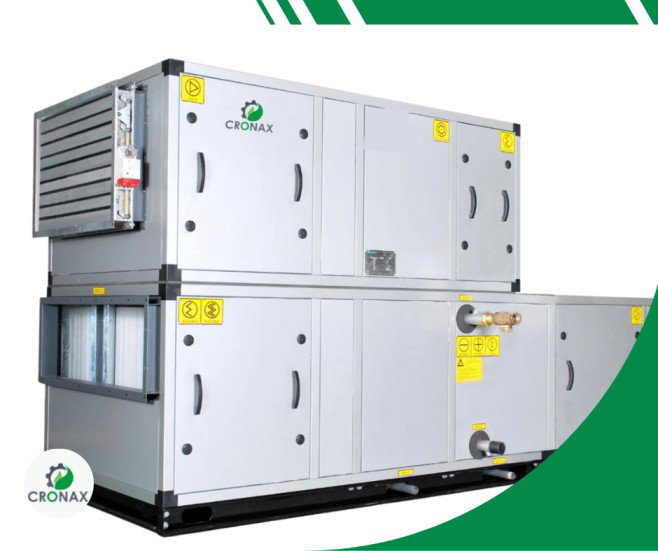
An air shower is a self-contained decontamination chamber placed at the entrance of a cleanroom. Before anyone enters, they step inside, the doors lock, and high-velocity HEPA-filtered air blows from multiple directions for a set duration — typically 15 to 30 seconds.

That blast of filtered air removes loose particles from clothing, hair, and footwear. What comes off gets captured by the return filters. What enters the cleanroom is a person who is significantly cleaner than when they walked in.

It sounds simple. In practice, it's one of the most effective contamination-control tools a cleanroom facility has.

An air shower clean room setup typically integrates the chamber into the architectural flow — there's no bypassing it. You cannot enter without going through. That's by design.

Why Indian Manufacturers Are Installing These Faster Than Ever

A few things are converging at once.

Export compliance pressure. Pharmaceutical companies supplying to regulated markets — the US, EU, Japan — face regular inspections. Cleanroom standards are audited. An air shower at the entry isn't just good practice; it's often a documented requirement.

Electronics PLI scheme momentum. The Production Linked Incentive scheme pushed electronics manufacturers to scale up fast. Scaling up means more workers entering controlled environments more frequently. More foot traffic means more contamination risk — and more need for robust decontamination at every shift change.

Defence and aerospace entry. India's push toward indigenizing defence electronics has brought a new category of manufacturers into the cleanroom space — companies that had never needed ISO-classified environments before and are now building them from scratch.

All three segments are actively sourcing air showers.

What Separates a Good Air Shower From a Basic One

Not every air shower chamber performs the same way. A few things actually matter when evaluating one for your facility.

Nozzle design and coverage. High-velocity air needs to hit from multiple angles — sides, top, and sometimes underfoot. A chamber with only ceiling jets leaves blind spots. Poorly aimed nozzles don't dislodge particles effectively, which defeats the purpose.

HEPA filter rating. The air being blown in must be genuinely clean. HEPA H14 filters capture 99.995% of particles at 0.3 microns. Lower-rated filters let contamination back in — which is worse than no air shower because it gives a false sense of decontamination.

Interlock system. Neither door of the chamber should be able to open simultaneously. The interlock ensures one door closes before the other opens — maintaining the pressure differential between the corridor and the cleanroom. A faulty or absent interlock is a serious gap.

Cycle time and customization. Different ISO classes require different exposure durations. A good air shower manufacturer will offer programmable cycle times and variable air velocity rather than a one-size-fits-all setting.

Build quality for Indian conditions. Powder-coated stainless steel or GI construction that holds up through high humidity and temperature variation matters here. Units that work fine in a European climate can develop sealing problems in a Chennai summer or a Noida winter.

Cronax Industries — Air Shower Manufacturers Built for Indian Facilities

Among the air shower manufacturers operating in India, Cronax Industries has built a consistent reputation for supplying cleanroom entry systems that are engineered for actual Indian industrial conditions — not adapted from overseas specs.

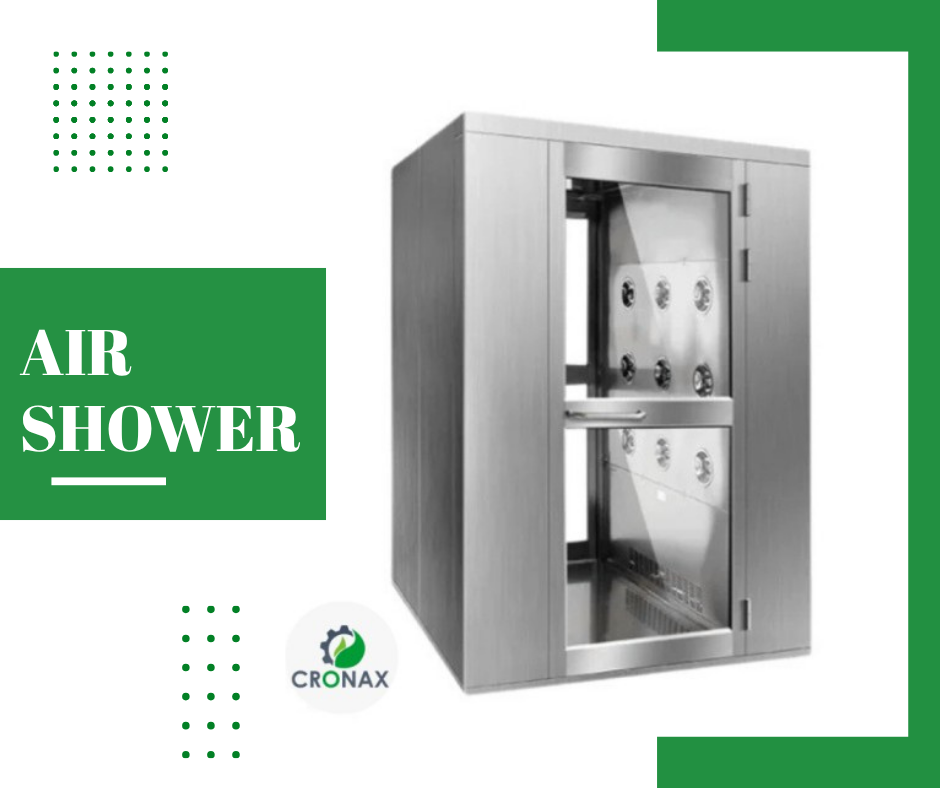
Cronax makes rooms that have clean air; these rooms are called air shower rooms. They make these rooms for one person or for a lot of people, like a tunnel. The air in these rooms is very clean because it has filters and it moves very fast. The doors in these rooms are also very special; they can only be opened one at a time. The rooms are made of metal that can be cleaned easily. This is important for places that make medicine, electronics and food because these places need to be very clean.

What stands out about Cronax is the application-specific approach. A pharmaceutical company in Hyderabad has different cleanroom requirements than an FMCG packaging unit in Pune or a PCB assembly line in Noida. Cronax doesn't sell a single standard unit to everyone — the chamber dimensions, filter grade, cycle programming, and integration with gowning room layouts are worked out per project.

Cronax. Installs these rooms all over India. They have worked with companies that make medicine and with new companies that make electronics. These new companies are growing because of help from the government. 

If you are making a clean room or if you want to make your old room better, you should talk to Cronax. They can help you before you decide what you want to do. Cronax can have a conversation with you; this will be very helpful.

Final Thought

India is not just manufacturing more — it is manufacturing more precisely. Cleanroom environments that would have been considered specialist infrastructure five years ago are now standard requirements for a growing number of sectors.

Air showers sit at the intersection of compliance, quality, and operational discipline. They're not expensive relative to the cost of contamination events, failed audits, or rejected export consignments.

As India continues to move up the manufacturing value chain — from assembly to components to original design — the facilities doing it right will have cleanroom infrastructure in place from day one.

The entry point is a good place to start.

Cronax Industries manufactures and supplies air shower rooms, cleanroom entry systems, and contamination control solutions for pharmaceutical, electronics, defence, and industrial facilities across India.

19Jun

Ahmedabad factories lose lakhs every summer through open doorways. See how PVC strip curtains cut energy loss by up to 80% — fast payback, zero downtime.


Ahmedabad in May is not a gentle experience.

Temperatures routinely cross 44°C. The air is dry, dusty, and relentless. Industrial areas like Naroda, Vatva, Odhav, and Changodar sit in the heat without relief — and every factory doorway that stays open for forklift movement, truck loading, or worker access is essentially an open invitation for that heat to walk straight inside.

The cooling system responds. The compressor kicks harder. The electricity meter spins faster. And this cycle repeats — dozens of times a shift, every working day, from March through June and again during the pre-monsoon period.

Most Ahmedabad factory managers know their summer electricity bills are high. What they don't always calculate is how much of that cost is caused by unprotected doorways — and how quickly PVC strip curtains fix that.

The Ahmedabad Heat Problem Is Specific

This isn't general advice about industrial energy efficiency. Ahmedabad has a specific set of conditions that make unprotected doorways more costly here than in most other Indian cities.

The temperature differential between a conditioned factory interior and the outside environment in peak summer can reach 20°C or more. Physics does the rest — hot outside air rushes toward the cooler interior every time a doorway is open. The larger the differential, the faster the infiltration.

Ahmedabad's industrial belt also deals with heavy dust from road traffic, construction activity, and dry wind conditions. Every open doorway is a dust entry point — affecting product quality, worker health, and equipment longevity in ways that don't show up directly on the electricity bill but absolutely affect the bottom line.

And unlike coastal cities, where humidity at least keeps some particulates settled, Ahmedabad's dry summer air keeps fine dust suspended and mobile. An unprotected factory entry in Vatva or Naroda during a hot April afternoon is actively pulling that dust into the production environment.

Flexible PVC strip curtains address both problems at once — the heat and the dust — without slowing down operations by a single minute.

What PVC Strip Curtains Actually Do at a Hot Doorway

The strip curtain hangs above the doorway on a mounting rail. Overlapping vertical strips of clear or tinted PVC — each strip slightly wider than the one it overlaps — create a continuous physical barrier from rail to floor.

A forklift approaches. The strips part. The vehicle passes through. The strips fall back into place in under a second. The barrier is restored.

During that brief passage, some air exchanges between inside and outside. But compared to a door that stays open for the full duration of vehicle movement — or worse, stays propped open throughout a busy shift — the exposure time is a fraction. And flexible PVC strip curtains between door openings hold the thermal separation completely.

The result: the conditioning system isn't constantly fighting a wide-open doorway. It maintains the interior temperature with significantly less effort, which shows up directly in reduced electricity consumption.

The Energy Numbers for Ahmedabad Conditions

The energy case for PVC strip curtains in Ahmedabad is stronger than the industry average because of the extreme temperature differentials the city experiences.

Research on industrial doorway energy loss consistently shows that properly installed PVC strip curtains reduce heat infiltration through open doorways by 60% to 80% compared to unprotected openings. For air-conditioned production areas, that translates to 20% to 30% reduction in cooling-related electricity consumption.

For a mid-sized Ahmedabad factory with four to six high-traffic doorways running 12-hour shifts through a six-month hot season, this is not a marginal saving. Depending on the size of the conditioned area and the door frequency, the annual electricity saving can run from ₹1.5 lakh to ₹6 lakh.

The cost of installing PVC strip curtains across those doorways? Typically ₹15,000 to ₹50,000 for the complete installation, depending on door width and curtain grade. The payback in energy savings alone is often achieved within one summer season.

After that, every summer, the curtains in place are pure savings.

The Industries in Ahmedabad That Benefit Most

Pharmaceutical manufacturing — Ahmedabad and the surrounding area host one of India's largest concentrations of pharmaceutical plants. Clean production environments, HVAC-controlled zones, and hygiene separation between areas all benefit directly from PVC strip curtains at internal and external entry points. Dust control is as important as temperature here.

Chemical and dye manufacturing — Vatva's chemical industrial estate has specific contamination control requirements. Zone separation between production areas, containment of fumes, and temperature management in storage areas are all addressed by industrial PVC strip curtains.

Textile and garment factories — Ahmedabad's textile heritage means hundreds of facilities dealing with lint, fibre, and the specific challenge of maintaining consistent temperature in spinning and weaving areas, where heat affects both material quality and worker productivity.

Food processing and packaging — FSSAI compliance requirements for insect control and hygiene zone separation make PVC strip curtains a regulatory requirement as much as an energy solution. Amber anti-insect grade curtains at external entries, clear curtains at internal zone dividers.

Cold storage and dairy — Gujarat's dairy industry is significant, and cold storage in Ahmedabad's extreme heat requires every possible measure to maintain refrigeration efficiency. Polar-grade PVC strip curtains at cold room entries directly reduce compressor load during peak summer.

Engineering and auto component manufacturing — Odhav and Changodar's engineering clusters deal with heat from machining operations, compounding the already extreme outdoor temperatures. Zone separation between hot machining areas and assembly or quality control areas reduces the load on localised cooling.

Choosing the Right Grade for Ahmedabad's Conditions

This is where many buyers go wrong — they choose a curtain based on price rather than specification for the environment. In Ahmedabad's conditions, the wrong grade either underperforms or fails within a season.

UV stabilisation is non-negotiable. Ahmedabad's sun exposure is intense and prolonged. Standard PVC yellows, becomes brittle, and loses flexibility rapidly under direct and reflected sunlight. UV-stabilised flexible PVC strip curtains maintain clarity and flexibility for three to five years in Ahmedabad conditions. Non-UV-stabilised grades may crack or discolour within one summer.

Clear standard grade — for internal zone separators, dispatch areas, and doorways without direct sun exposure. Cost-effective, maintains visibility for safe forklift operation.

Ribbed / buffer grade — for high-traffic openings where forklifts and loaded trolleys pass through repeatedly. The raised ribs absorb impact across the strip face, extending service life significantly in Ahmedabad's busy factory environments.

Amber anti-insect grade — essential at external-facing entries for food processing and packaging. Ahmedabad's summer brings high insect pressure, particularly near organic material. The amber tint deters flying insects without compromising visibility.

Polar grade — for cold room and blast freezer entries. Standard clear PVC becomes brittle in sub-zero conditions. Polar grade stays flexible at -25°C.

Magnetic grade — for openings where the curtain must reseal completely between each passage. Embedded magnets pull the strips back together automatically. Particularly effective for cold rooms and pharmaceutical zone entries where partial sealing loses the benefit.

Installation — Quicker Than Most Factories Expect

A complete doorway of PVC strip curtains Ahmedabad factories typically install in two to four hours.

The aluminium or stainless steel mounting rail fixes above the door frame with anchor bolts. Individual strips hang from clip hooks on the rail, which also makes individual strip replacement simple when one gets damaged by a forklift without replacing the whole system. Overlap between adjacent strips is adjustable based on the required seal tightness.

No electrical work. No structural changes. No specialist contractor for a standard installation. The strips can be wiped clean with a damp cloth. If one strip gets damaged beyond cleaning, only that strip needs replacing — not the entire curtain.

For factories operating multiple shifts, installation can typically be completed during a maintenance window or non-production period without affecting output schedules.

Cronax Industries — PVC Strip Curtains Built for Ahmedabad

For Ahmedabad factories looking for a supplier who understands local conditions — the temperature extremes, the dust levels, the compliance requirements, and the usage intensity of busy industrial facilities — Cronax Industries is the right conversation to start.

Cronax Industries supplies PVC strip curtains Ahmedabad across the full range of grades: UV-stabilised clear, ribbed, polar, amber anti-insect, magnetic, anti-static, and welding grade — all manufactured to consistent thickness standards and fire-retardant certified.

Their strips are specifically selected for Ahmedabad's operating conditions. UV stabilisation is standard, not an upgrade. Material consistency across production batches means replacement strips match the original installation in clarity and flexibility — critical for facilities maintaining specific visibility or hygiene standards.

As a supplier with deep knowledge of Ahmedabad's industrial sectors — pharmaceutical, chemical, textile, food processing, cold chain — Cronax helps buyers specify the right grade, overlap, width, and mounting hardware for each doorway rather than applying a one-size solution. A pharmaceutical zone entry in Naroda needs a different specification from a loading dock in Vatva or a cold room in Odhav. Cronax gets this distinction.

For facilities managing multiple entry points across a large plant, consistent supply quality across reorders means the curtains installed in year two match the performance of those installed at commissioning. That consistency matters more than most buyers realise until they've dealt with a supplier who can't maintain it.

The Simple Case for Acting Before Next Summer

If your Ahmedabad factory has unprotected doorways that stay open during production — loading bays, zone entry points, external vehicle entries — every summer you delay is another season of paying for energy that's walking out through those openings.

The fix is not complex. It doesn't require downtime. It doesn't require capital approval for major equipment. PVC strip curtains are installed in hours and start reducing energy loss immediately.

In Ahmedabad's conditions — where the temperature differential is extreme, the dust is persistent, and the summer is long — the payback is faster here than almost anywhere else in India.

The question isn't whether to install them. It's whether to do it before next summer or after it.

Looking for PVC strip curtains in Ahmedabad for your factory, warehouse, or cold storage? Talk to Cronax Industries about the right grade and specification for your facility.

06Jun

Discover how air curtains for doorways protect hospitals and clinics from insects, contamination, temperature loss, and airborne pathogens — without slowing down patient or staff movement.


Walk into any good hospital in India today. You will feel a breeze at the entrance. It moves steadily downward as you step through the door.

That's an air curtain. It does more than just keep you comfortable.

In a hospital, the entrance is always busy. People with illnesses come in. Visitors arrive from outside. Staff move in and out multiple times a day. Every time the door opens, outside air can come in. This air has dust, humidity, vehicle fumes, pollen, and flying insects. The air can enter a space that's meant to be clean and safe.

An air curtain door solves this problem. It doesn't block the doorway. Instead, it creates a stream of air across the door. This stream deflects contaminants and blocks insects. It keeps the air clean. People can still walk through the door freely.

This article explains how air curtains work in hospitals and clinics. It talks about the problems they solve. More hospitals in India are seeing air curtains as necessary for keeping things clean. They are not a nice extra.

What an Air Curtain Actually Does

Before getting into the hospital-specific benefits, it helps to understand the basic mechanism.

An air curtain is a device installed above a doorway — or occasionally on the side — that projects a continuous, uniform stream of air across the full width of the opening. This air stream acts as a physical barrier between the indoor and outdoor environments, even when the door is open or absent entirely.

The air velocity is calibrated carefully. Too slow and the barrier breaks. Too fast, and it creates discomfort or turbulence for people walking through. The best air curtain installations find the balance where the barrier is effective, but the entry experience feels natural.

In healthcare settings, this basic principle delivers benefits across several dimensions — hygiene, infection control, insect exclusion, energy efficiency, and patient comfort — all simultaneously.

Benefit 1: Blocking Insects Without Chemicals

This is the most visible benefit, and in the context of Indian hospitals and clinics, it's a significant one.

Flying insects — flies, mosquitoes, moths — are persistent. In warm, humid Indian conditions, keeping them out of a hospital entrance using only a conventional door is genuinely difficult. Staff prop doors open during busy periods. Patients hold doors as they enter. Every few seconds of open door time is an opportunity.

A properly installed air curtain for doorway creates an airflow barrier that flying insects cannot physically penetrate against the force of the moving air. The air velocity acts as a deterrent — insects approaching the doorway encounter a continuous airstream that pushes them away.

This matters more than it might seem. Flying insects carry pathogens. A fly that's been on an outdoor surface and then lands on a wound dressing, a food tray, or a sterile instrument is a direct contamination event. In a hospital environment where infection control is non-negotiable, eliminating that vector chemically — with insecticides, sprays, or fumigants — is itself a problem because of the chemical exposure to vulnerable patients.

An air curtain eliminates the insect problem without introducing any chemicals into the environment at all. It's continuous, passive, and chemical-free. That combination is genuinely valuable in clinical settings.

Benefit 2: Reducing Airborne Contamination at Entry Points

Hospitals manage a challenging paradox: they treat people who are sick, which means the environment is regularly exposed to pathogens, while simultaneously needing to protect patients who are vulnerable to those same pathogens.

Every time a door at a hospital entrance, ward entry, OT corridor, or pharmacy opens, there's a brief but real exchange of air between the controlled indoor environment and the adjacent space. In a busy facility, these brief exchanges add up. Dust, particulate matter, outdoor microorganisms, and humidity all enter through these moments of open-door exposure.

Research published in healthcare ventilation literature has shown that air curtains significantly reduce the migration of airborne contaminants through open doorways. The continuous downward air stream deflects incoming air and prevents the mixing of indoor and outdoor air columns — maintaining the integrity of the indoor environment during the open-door period.

For hospital wards, outpatient waiting areas, pharmacy dispensaries, and diagnostic labs, this contamination reduction has direct infection control value. It's one layer among several in a comprehensive hospital hygiene protocol — not a replacement for HEPA filtration or hand hygiene, but a meaningful complementary barrier at entry points.

Benefit 3: Maintaining Temperature and Humidity Control

Indian hospitals spend significant money conditioning indoor air — cooling in summer, managing humidity year-round, and maintaining specific temperature ranges in OT suites, ICUs, and pharmacy cold zones.

Every open door is a thermal breach. Hot, humid outdoor air enters, and conditioned indoor air escapes. The HVAC system then compensates — running longer, working harder, consuming more electricity.

An air curtain door at high-traffic entries dramatically reduces this thermal exchange. By maintaining an air barrier across the doorway during open-door periods, the air curtain limits the volume of outdoor air that enters the conditioned space. The HVAC system doesn't need to compensate as aggressively. Energy consumption falls.

For large hospitals with dozens of entry points and HVAC systems running around the clock, the cumulative energy saving from well-placed air curtains across the facility is meaningful — often a 20–30% reduction in thermal losses at door openings.

In clinics and smaller healthcare facilities where electricity costs are a genuine operating expense, this energy efficiency benefit directly affects the monthly bill.

Benefit 4: Protecting Operating Theatres and Sterile Zones

This is where air curtains move from comfort infrastructure to genuine clinical infrastructure.OT suites and sterile procedure rooms maintain positive pressure — higher air pressure inside than in adjacent corridors — to prevent contamination from entering during procedures. When OT doors open, even briefly, that positive pressure cascade is disrupted, and unfiltered air from the corridor can enter.

Air curtains installed at OT entry corridors and anteroom doorways add a layer of protection at these critical transitions. Combined with the positive-pressure HVAC design, an air curtain door at the corridor-to-anteroom boundary limits the volume of corridor air that can migrate toward the sterile zone during door-opening events.

In pharma-grade cleanrooms, this application is well-established. In hospital OT environments, the principle is identical — the difference is that the stakes are even higher because a human patient is the sterile field being protected.

Benefit 5: Touchless Entry — Less Contact, Less Risk

One of the most important infection control lessons from the post-pandemic period is that contact surfaces are a significant transmission pathway. Door handles, push plates, and door frames are among the highest-contact surfaces in any building. In a hospital, where those surfaces are touched by sick patients, concerned visitors, and clinical staff in rapid succession, that contact risk is amplified.

Air curtains work best when paired with automatic sliding or swing doors — creating a fully contactless entry experience. The door opens automatically. The air curtain provides the hygiene barrier. Nobody touches anything.

Many hospitals in India have started pairing air curtains with automatic sliding doors at main entrances, ward entries, and pharmacy access points specifically for this reason. Less touching means less pathogen transfer. Less pathogen transfer means lower hospital-acquired infection (HAI) rates. Lower HAI rates mean better patient outcomes and fewer regulatory compliance problems.

It's a simple chain of reasoning with a real clinical payoff.

Benefit 6: Noise and Odour Containment

This benefit doesn't get discussed as much as contamination control, but it matters for the patient experience.

Hospitals have areas with very different acoustic profiles. An OT corridor should be quiet. A triage area can be noisy. A patient ward needs calm. Without barriers at doorway transitions, sound travels freely between these areas — affecting patient recovery, clinical concentration, and the overall environment.

Air doors provide some degree of acoustic dampening at doorways — not soundproofing, but a meaningful reduction in sound transmission through open entries. The moving air column disrupts the sound pathway between adjacent spaces.

Similarly, hospitals deal with odours that need to be contained — from procedure rooms, patient wards, medical waste storage, and hospital kitchens. An air curtain at a doorway helps contain those odours within their zone rather than allowing them to migrate into adjacent areas where patients or visitors are present.

Where to Install Air Curtains in a Hospital or Clinic

The way an air curtain works is simple: it is useful to have one in any doorway where a lot of people walk through. We need to keep the air separate.

Hospital Entrance: This is the busiest entrance in any hospital. An air curtain here stops insects and bad air from outside, like the air from cars, from coming in, and it also stops pollen from coming in while keeping patients and visitors comfortable.

Corridor Entry: An air curtain here helps keep the air clean and stops germs from spreading in the most important part of the hospital.

Ward Entry Doors: an air curtain here stops germs from moving from one ward to another in hospitals where there are wards for people with infections right next to wards for people who are not sick.

Pharmacy and dispensary entries: an air curtain here keeps the pharmacy clean and free of pests. It also helps keep the temperature right for medicines that need to be kept cool.

Hospital kitchen and canteen: we need to keep insects out of the kitchen where food is made and served, and an air curtain at the kitchen door does this without using chemicals.

ICU and NICU Entries: These are areas where patients are very sick, and an air curtain here helps keep the air clean and stops germs from spreading.

Diagnostic Lab Entries: labs need to be clean and free of dust and particles that can ruin tests or make equipment not work right, and an air curtain helps with this.

What to Look for in an Air Curtain for a Healthcare Facility

Not all air curtains are the same. In a hospital, it really matters what you choose.

Air velocity and coverage width: The air curtain must cover the width of the doorway. No gaps at the edges where bugs or bad air can get in. For keeping bugs out to a minimum, an air speed of 8 meters per second at floor level is what is usually recommended.

Noise level: In a hospital, a loud air curtain is not okay. Look for units that're quiet with noise levels below 55 decibels in areas where patients are. High-efficiency EC motors are usually much quieter than AC motor units.

Hygienic housing design: The air curtain unit itself must be easy to clean. Smooth, non-porous surfaces without ledges or crevices that trap dust are what you want for hospital installations. A stainless steel housing is ideal for places like pharmacies, ICUs and OT corridors.

Filter integration: Some top air curtain models in India now have HEPA or UV-C filtration built into the air stream. Meaning the air curtain isn't a barrier but also actively filters and disinfects the air it moves. This is especially valuable in high-risk hospital areas.

Energy efficiency: Hospitals run 24 hours a day. An energy-efficient air curtain. With an EC motor and smart speed control that adjusts to the door status. Can really impact operating costs over its lifetime.

Control options: Timer-based door-status-linked or sensor-triggered operation ensures the air curtain runs when the door is open or about to open, rather than continuously, at full power.

Why Cronax Industries Is Worth Considering

For hospitals, clinics, diagnostic labs, and healthcare facilities across India looking for air curtains that genuinely fit a clinical environment — not just a general commercial air door adapted for healthcare use — Cronax Industries brings application-specific knowledge to the selection process.

Their air curtain range for healthcare facilities covers the spectrum from main entrance air doors to pharmacy and OT corridor installations, with specifications selected for Indian climate conditions — the high ambient temperatures, monsoon humidity, and dust exposure that make generic specifications from cooler climates inadequate.

What makes Cronax a practical choice for healthcare procurement teams is its understanding of hygiene-first design. Their units come with hygienic housing options, low-noise operation appropriate for clinical settings, and energy-efficient motors suited to the continuous operation that healthcare facilities demand.

Among air curtain manufacturers serving the Indian market, Cronax combines manufacturing quality with the kind of application-led guidance that helps facilities make the right specification decision — not just the cheapest one.

For facility managers preparing a new hospital section, upgrading an existing clinic entry, or looking to address an FSSAI compliance gap at a hospital kitchen entry, a conversation with Cronax about the right air curtain specification for each location is time well spent.

Common Mistakes Healthcare Facilities Make When Installing Air Curtains

Getting an air curtain installed is straightforward. Getting it right takes a bit more thought.

Installing a unit that's too narrow. The air curtain must cover the full width of the doorway. Even a small gap at the edge creates an entry point for insects and outdoor air that defeats the purpose.

Choosing based on price alone. A low-cost air curtain with inadequate air velocity, poor coverage uniformity, or a noisy motor creates more problems than it solves in a clinical environment. The specification should be determined by the application, not the budget alone.

Ignoring the mounting height. Air curtain performance drops significantly if the unit is mounted too high above the doorway. Check the manufacturer's recommended maximum mounting height for the specific model and application.

No maintenance schedule. The air curtain filter and motor need periodic servicing. An air curtain with a clogged filter or degraded motor performance is less effective as a hygiene barrier — and in a healthcare facility, reduced effectiveness has direct clinical consequences.

Installing without considering door type. An air curtain works best with a door that opens predictably and fully. On a manually propped door or an irregular-opening door, the air curtain may not perform as expected. Pairing with automatic doors gives the best results.

Final Thoughts

Hospitals and clinics in India face a specific and demanding hygiene challenge: maintaining controlled, clean indoor environments in a climate and context that constantly pushes back — heat, humidity, insects, dust, and continuous foot traffic.

Air curtains for doorways address several of these challenges simultaneously. They're not a single-point solution — they work best as part of a broader infection control and hygiene infrastructure. But the specific problems they solve — insect exclusion, airborne contamination reduction, thermal control, touchless entry support, and odour containment — are exactly the problems that high-traffic healthcare facility entries face every day.

The best air curtain installation is the one that fits the specific doorway, the specific clinical environment, and the specific hygiene requirements of the zone being protected. Getting that specification right is where a knowledgeable air curtain supplier makes a real difference.

Frequently Asked Questions

How does an air curtain improve hygiene in a hospital?

An air curtain creates a continuous high-velocity air barrier across a doorway that blocks flying insects, reduces airborne contaminant ingress, limits thermal exchange between indoor and outdoor environments, and — when paired with automatic doors — eliminates contact with door surfaces. In a hospital where infection control is central to patient safety, these functions together make the entry point significantly more hygienic than an open or conventionally doored entry. Air curtains are particularly effective at high-traffic entries where doors are opening frequently and conventional barriers are impractical.

Where should air curtains be installed in a hospital?

The most important locations are the main entrance, OT corridor entries, ICU and NICU access points, pharmacy and dispensary doors, ward entry transitions, hospital kitchen doors, and diagnostic lab entries. Each of these locations has a specific hygiene requirement — insect exclusion, positive pressure support, temperature maintenance, or contamination zone separation — that an appropriately specified air curtain addresses. The specification (air velocity, width, noise rating, housing material) should be tailored to each location.

Do air curtains actually keep insects out of hospitals?

Yes, effectively. A properly installed air curtain for doorway with adequate air velocity creates a physical force that flying insects cannot overcome. For insect control specifically, the air velocity at floor level should reach a minimum of 8 m/s, and the unit must cover the full width of the opening without gaps at the edges. Air curtains are a chemical-free insect control solution — particularly important in healthcare environments where insecticides and fumigants are inappropriate near patients.

Can air curtains help reduce energy costs in hospitals?

Yes. Every time a hospital door opens, conditioned indoor air escapes and hot, humid outdoor air enters, forcing the HVAC system to compensate. Air curtains limit this thermal exchange during open-door periods, reducing the compensation load on the HVAC system. Across a large hospital with many high-traffic entry points running HVAC continuously, the cumulative energy saving from air curtains can be significant — typically in the range of 20–30% reduction in thermal losses at protected doorways.

What is the difference between an air curtain and an air door?

The terms are often used interchangeably. An air door generally refers to the same technology as an air curtain — a device that projects a stream of air across a doorway to create an invisible barrier. In some contexts, "air door" is used specifically to describe units installed where there is no physical door at all, creating a complete air barrier as the sole separation between two spaces. In most healthcare applications, air curtains are installed alongside physical doors (particularly automatic sliding doors) to combine physical and air barrier protection.

Are there air curtains with UV or HEPA filtration for hospital use?

Yes. Some of the best air curtain models available in India now integrate HEPA filtration or UV-C disinfection into the air stream. These units don't just create a barrier — they actively filter and disinfect the air passing through the curtain zone, providing a higher level of pathogen control than a standard air curtain. For OT corridors, ICU entries, and high-risk clinical areas, HEPA or UV-integrated air curtains are worth specifying. Ask your air curtain manufacturer specifically about these options for clinical applications.

How often does a hospital air curtain need maintenance?

Air curtains in hospital settings should be serviced every 6–12 months, depending on usage intensity and environmental conditions. Maintenance typically includes cleaning or replacing the inlet filter, checking motor performance and belt tension (if applicable), verifying air velocity uniformity across the door width, and cleaning the housing. In dusty environments or locations near hospital kitchens, more frequent filter checks are advisable. A well-maintained air curtain performs consistently over many years — a neglected one starts failing as a hygiene barrier well before the unit itself reaches end of life.

Looking for air curtains for your hospital, clinic, pharmacy, or healthcare facility in India? Cronax Industries supplies and installs air curtain doors and air doors for healthcare environments — specified for clinical hygiene requirements, Indian climate conditions, and energy-efficient continuous operation. Contact us to discuss the right air curtain solution for each entry point in your facility.

25May

Most warehouse managers blame congestion on volume. The real culprit is often a door that can't keep up. See how high speed doors from Cronax Industries solve bottlenecks, cut energy loss, and keep operations moving — without compromise.


You have made your warehouse layout as good as it can be. Your team is doing everything right. The forklifts are moving on time. Then everything slows down when they get to the door.


Most people in charge of facilities think the problem is due to too many vehicles or too many people. They hardly ever think about the door itself. If your industrial door takes 15 to 20 seconds to open and close every time, and it opens and closes 80 to 100 times a day, that is a lot of time wasted.


That is where we should start talking about high speed doors.


A Slow Door Is Not Just A Slow Door


Think about what happens when a standard industrial door opens and closes at its speed.


A forklift comes up to the door. The driver slows down, waits for the door to open, drives through, and waits again on the side for it to close. In a place where food is kept cold, those extra seconds mean warm air gets in every time. In a place where food is made, it means dust and insects can get in. In a place where medicine is made, it could mean the rules are not being followed.


The slow door is not a problem with time. It is a problem with temperature, with things getting contaminated, and with energy. Sometimes it is a problem with safety. All at the same time.


What a High Speed Door Actually Changes


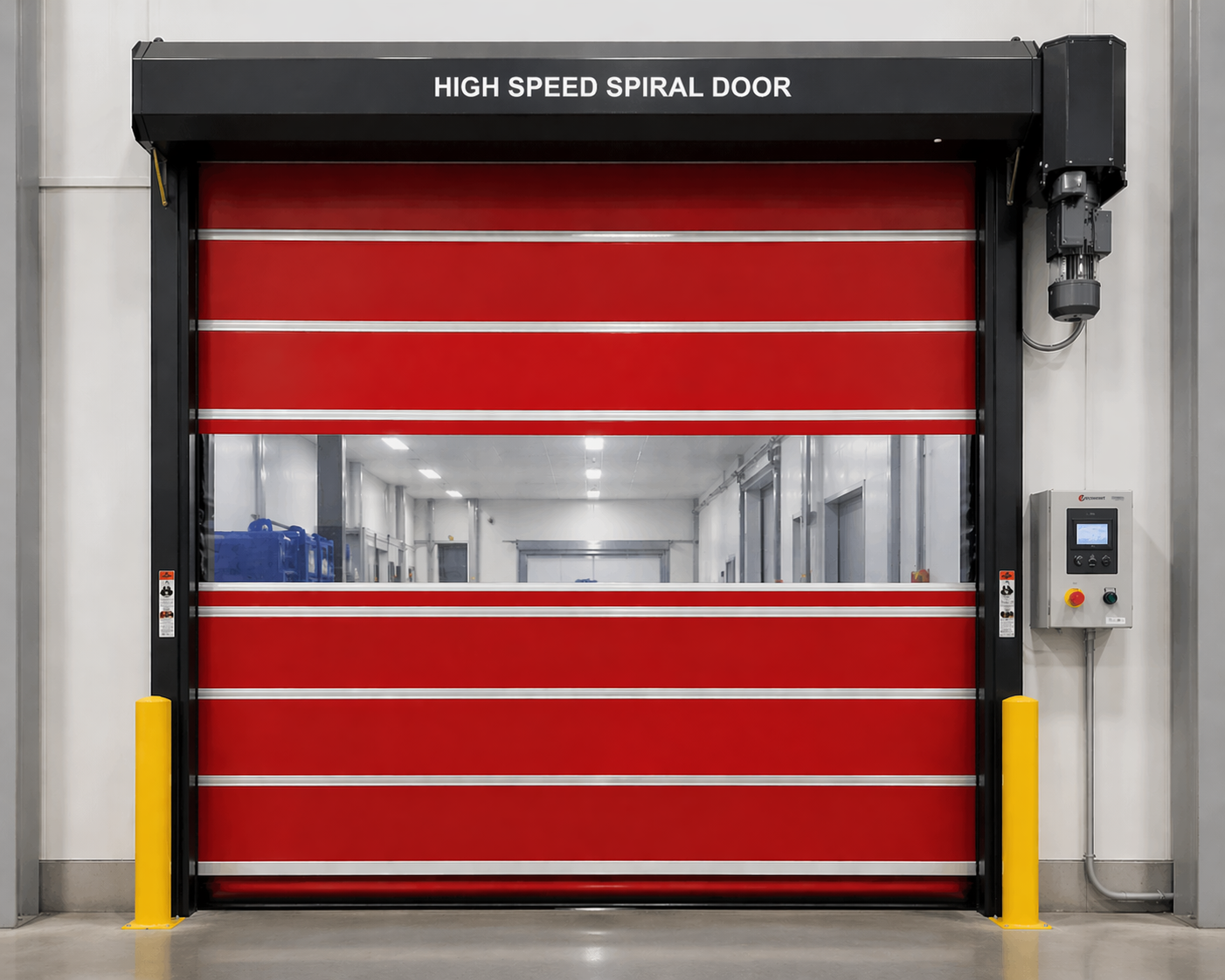
A high speed door opens and closes at speeds typically between 0.8 m/s and 2.5 m/s depending on the model and application. That is four to ten times faster than a standard industrial shutter.This speed changes everything about the doorway.


That speed changes the entire character of a doorway.

  • Traffic keeps moving without stopping at the door
  • Cold areas stay cold because the door closes before air can get in
  • Clean rooms stay clean and do not lose air pressure
  • Forklifts do not have to slow down or stop at every door


For very busy warehouses and for places that make food and other things, this is not just a nice thing to have. It is something that really needs to be done.


The Problem With Cold Storage That Nobody Wants To Talk About


Cold storage facilities in India waste a lot of energy every day because of the doors. When a standard door stays open for 15 to 20 seconds, the cold air inside escapes, and warm air gets in. Then the refrigeration system has to work to cool it down again.


This means that over a month, the facility will have electricity bills, and the refrigeration equipment will wear out faster.


If we install a high speed roll up door at the entry points of cold storage facilities, this problem can be solved. Because it opens and closes quickly, warm air gets in, and less energy is wasted. This helps keep the cold chain stable, which is important for storing food, dairy products, medicines, and other things that need to be kept at a certain temperature.


High Traffic Is Not the Root Cause — But It Exposes Slow Doors Faster


The thing about doors in busy facilities is that high traffic does not cause the problem, it just makes it harder to ignore.


A slow door in an area is just a nuisance. The same slow door in a busy facility that handles 200 forklift movements a day becomes a big problem that affects how much work gets done, temperature control, cleanliness, and worker fatigue. Drivers have to wait for engines. Schedules are delayed, all because the door is too slow.


High speed door manufacturers make these doors for busy places. While a standard shutter might be able to handle a thousand cycles a year, a high speed door is designed for tens of thousands of cycles. It is made for facilities.

Industries Where High Speed Doors Make an Immediate Difference

Food and Beverage Processing

High speed doors help keep production areas clean by keeping pests, dust, and uncontrolled air out. They do this without disrupting the movement of materials and workers.


Cold Chain and Refrigerated Warehouses

Every second the door stays open, cold air. Warm air gets in. High speed roll up doors are an investment for the cold chain, not just for the facility.


Pharmaceuticals and Clean Rooms

In controlled environments, it is important to control who and what can enter. A door that opens and closes in under two seconds protects the pressure inside the room, reduces the risk of contamination, and keeps records clean.

Automotive and Engineering Plants

Paint booths, assembly lines, and component stores need doors that can handle forklift traffic without causing thermal or dust-related problems in sensitive areas.


Logistics and Distribution Centers

The speed of the door at the dock and inside the facility affects how quickly orders can be shipped. When a facility is processing hundreds of orders a day, every delay adds up.

What to Look for When Choosing a High Speed Door

Not all high speed doorsre suitable for every application. Here are the things that actually matter when evaluating options:

Opening and Closing Speed

This is the headline number, but it is not the only one that matters. Acceleration and deceleration profiles affect how smoothly traffic flows and how much mechanical stress the door takes over its lifetime.

Safety Systems

A fast door that does not have proper presence detection or bottom-edge safety can cause accidents. Look for doors with reliable sensor systems that halt or reverse the door when an obstacle is detected mid-cycle.

Durability of the Curtain Material

The door fabric or panel needs to handle the specific environment — whether that is sub-zero temperatures, constant humidity, chemical exposure, or UV light. Not all curtain materials perform the same across conditions.

Reset After Impact

In busy facilities, contact happens. A good high speed roll up door should have a self-repairing or quick-reset curtain that can bounce back from accidental contact rather than requiring downtime and a technician every time.

Integration with Access Control and Traffic Systems

Modern high speed doors can be integrated with motion sensors, loop detectors, push buttons, or remote controls. This reduces manual intervention and keeps traffic moving without drivers having to operate anything by hand.

Why the Choice of Supplier Matters

A high speed door is something you use a lot, so it is not something you can just buy and forget about. It is a machine that opens and closes thousands of times a year. The motor, the material of the door, the guide rails, the safety sensors, and the control panel all play a role in how it will last and how much work it will need over time.


When you pick a high speed door supplieryou need to choose someone who understands where you will be using the door, not just what the door can do.


Cronax Industries is a company that makes speed doors, and they have a good reputation because they focus on this. They make doors for kinds of buildings, from normal warehouses to places that need to be very cold, like pharmaceutical and food processing facilities. Each high speed door is chosen to fit the needs of the building. How fast it opens, what the door is made of, safety features, and how many times it can open and close are all chosen based on what the building actually needs.


Cronax Industries works with the people in charge of buildings, consultants, and buyers across India to help them choose the right high speed door for their building. They also help with installing the door and taking care of it after it is installed.


The Real Cost of Doing Nothing

It is easy to ignore a door. It has been that way for a time. People are used to it. The building still works, and nobody has complained about it.


But there is a cost to having a slow door. You just do not see it all in one place. You see it in your energy bills in the time people waste waiting for the door to open, in the risk of not following the rules, and in the wear and tear on your equipment.


When you think about how much energy a slow cold storage high speed door wastes, how much time people waste waiting for the door to open, and the risk of having a problem with keeping things clean or at the right temperature, it makes sense to get a high-speed door.


The problem is not all the traffic in the warehouse. The problem is the speed door that cannot keep up with it.

Cronax Industries supplies and installs high speed doors across India for warehousing, cold storage, food processing, pharmaceutical, automotive, and logistics facilities. For specifications, site assessments, or project consultations, reach out to the Cronax Industries team.

16May

ronax PVC strip curtains cut cold room electricity costs by up to 30%, block insects, control dust, and seal loading docks. Polar grade, anti-insect & heavy-duty variants available.


Nobody talks about PVC strip curtains at industry conferences. There are no glossy product launches. No one is getting excited about a plastic strip hanging in a doorway.

And yet — walk into any well-run cold storage facility, food processing plant, or busy warehouse in India, and you will almost certainly find them. 

Because the people running those facilities have done the maths, they know what an open doorway costs them every single day. And they found the cheapest, simplest fix available.

That fix is a Cronax PVC strip curtain.

What It Is and How It Works

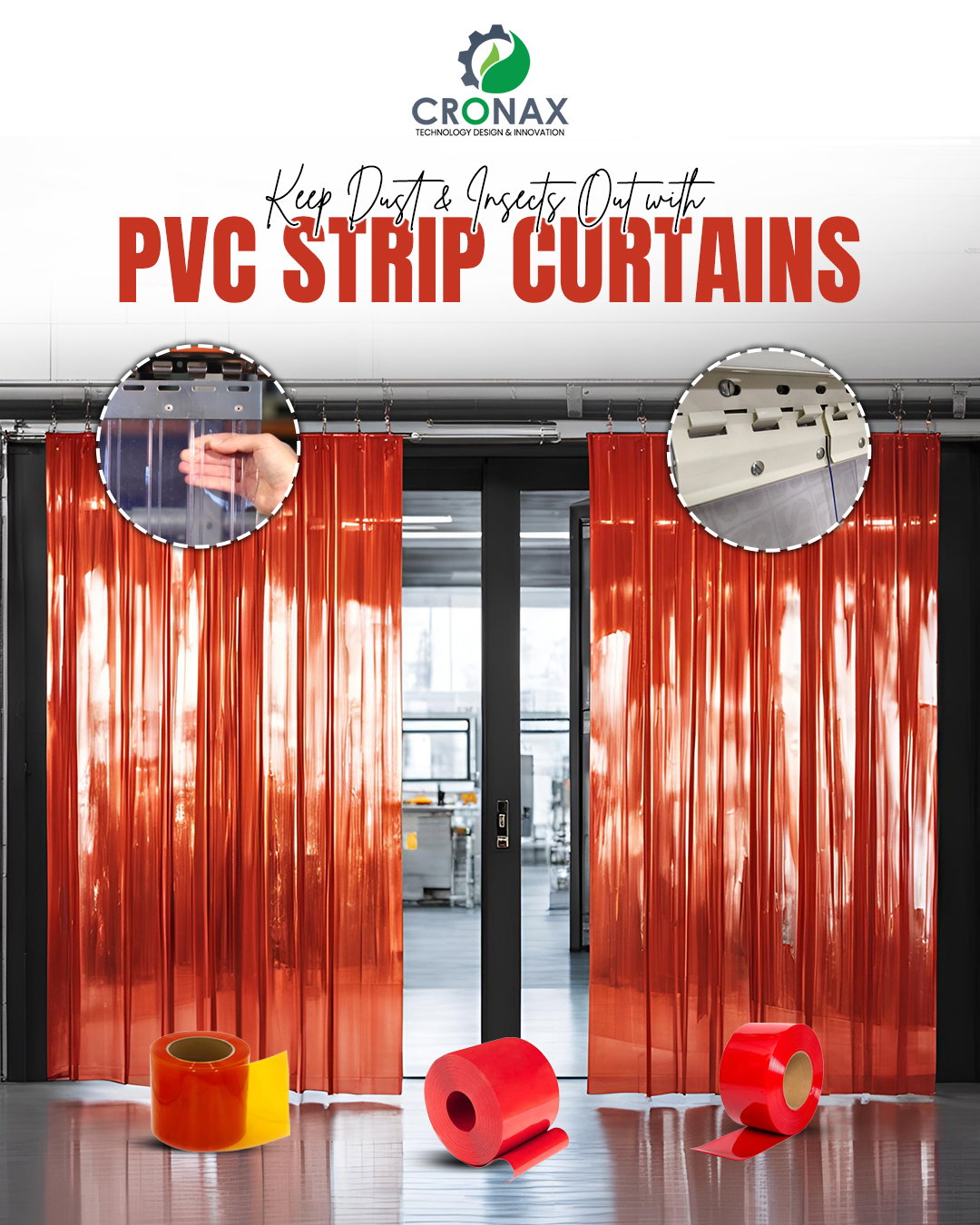
Overlapping vertical strips of PVC plastic, clipped onto a rail above a doorway, hang to the floor. That is the whole product.

You walk through — or drive a forklift through — the strips part, and they fall back into place behind you. No button to press. No door to open or close. No motor, no electricity, no moving parts. The barrier is just always there.

That simplicity is the point. A door that has to be opened and closed gets left open. A PVC strip curtain never does.

What an Open Doorway Actually Costs You

Most warehouse managers think about open doorways as a convenience feature, not a cost centre. That changes quickly when someone sits down and calculates it.

In summer, India's outdoor temperatures hit 40 to 45 degrees regularly. If your warehouse runs air conditioning — or your cold room runs at minus 18 — every unobstructed opening is actively working against your refrigeration or HVAC system. Warm air pours in. Conditioned air bleeds out. Your compressor or AHU compensates by running harder, longer, and more expensively.

In a cold storage facility where the door cycles 100 times a shift, that is not a minor inefficiency. It is a structural drain on your electricity budget that recurs every single day.

Insects are the other problem nobody wants to talk about until an FSSAI inspector points it out. A single fly in a food processing area is a compliance finding. Rodents in a warehouse can write off an entire pallet load. Open doorways are how they get in — and a strip curtain is the most passive, lowest-maintenance way to keep them out.

Dust, noise, fumes, and safety at forklift-pedestrian crossing points are all secondary problems that strip curtains address without any additional investment. But energy and pest control are where most facilities feel the impact first.

Cold Storage Specifically — This Is Where the Numbers Get Serious

Standard PVC strip curtains work well in ambient and air-conditioned environments. Cold rooms are a different situation entirely.

The temperature differential between a minus-18 cold room and a 35-degree loading area is 53 degrees. Every door cycle — even a fast one — dumps a pulse of warm, humid air into that cold room. The refrigeration system has to work to pull that temperature back down. Over a 16-hour operating day with 120 door cycles, the cumulative load on the compressor is substantial.

Standard PVC also goes brittle in sub-zero conditions. It cracks. It loses its seal. It becomes a problem rather than a solution.

Cronax polar-grade PVC strip curtains are formulated to stay flexible down to minus 25 degrees Celsius. They hang in the doorway through every shift, every day, sealing passively after every pass without any intervention from your team.

The effect on compressor running time is measurable from the first month. Cold storage facilities in India that install polar-grade strip curtains consistently report electricity savings of 20 to 30% on cold room operating costs. For a facility running multiple cold rooms around the clock, that is a significant annual number — arriving from a product that typically costs a fraction of one month's energy saving.

A Real Facility, Real Numbers

A seafood cold storage unit on India's coast. Primary storage at minus 18. One access point. About 120 forklift cycles per day across two shifts.

Before the curtains: door opens fully for every forklift pass. Ambient air at 35 degrees enters each time. Compressor runs at near-continuous load. Ice forms around the door frame every few weeks and needs clearing. Electricity costs are high and predictable.

After Cronax polar-grade strip curtains, forklifts pass through without the door opening. The curtain reseals after each pass. Compressor duty cycle drops. Ice formation at the frame reduces sharply. Electricity consumption for the room falls by an estimated 25 to 30%.

The curtains paid for themselves in the first few weeks. Every month since has been pure savings.

Which Curtain for Which Situation

Cronax makes seven distinct types — because ambient warehouses, cold rooms, food processing areas, and electronics facilities all have different requirements.

Standard transparent — the default for warehouses, loading docks, and factory floor partitions. Clear PVC, full visibility, effective thermal and dust barrier. Works wherever the environment is ambient and the main requirement is a passive barrier.

Polar grade — cold rooms and freezer facilities only. Stays flexible at minus 25. Standard PVC cracks in sub-zero conditions — do not use it here.

Anti-insect amber yellow — food processing, commercial kitchens, packaging areas. The amber colour blocks the UV wavelengths that attract flies. A practical first line of defence in any FSSAI-regulated environment.

Anti-static (ESD) — electronics manufacturing, semiconductor facilities. Safely dissipates electrostatic charge before it reaches sensitive components.

Welding grade — opaque or tinted strips that block UV radiation and sparks from welding operations. Protects adjacent workers without restricting workshop access.

Fire retardant — high-risk industrial zones where fire regulations require a physical barrier between areas with different fire classifications.

Heavy duty — thicker material for zones where forklifts and heavy equipment pass through dozens of times per shift. Standard strips wear faster under constant contact. Heavy-duty lasts significantly longer in those conditions, and the slightly higher upfront cost is recovered in fewer replacements.

Picking the Right One Without Overcomplicating It

Three questions cover most decisions:

What is the temperature? Ambient or air-conditioned — standard PVC. Sub-zero — polar grade, no exceptions.

What is passing through? Pedestrians and light trolleys — standard thickness is fine. Forklifts passing through dozens of times per shift — go heavy-duty.

What is the hygiene context? Food or pharmaceutical — anti-insect amber or food-grade certified clear PVC with the appropriate FSSAI material documentation.

Opening dimensions matter too. For anything wider than two metres, the overlap between strips needs to be specified correctly to maintain a functional seal. Cronax manufactures to your exact opening dimensions — not from a standard roll trimmed to approximate fit.

Installation Takes Less Time Than You Think

Mount the rail above the opening. Clip in the strips at the specified overlap. Done. No specialist tools, no structural work, no production downtime.

If a strip gets damaged or wears out — and in high-traffic zones, individual strips do wear faster than others — you pull out the worn strip and clip in a replacement. The rest of the curtain stays in place. The doorway stays operational. The whole swap takes minutes.

Cleaning is a wipe with a damp cloth. That is genuinely all the maintenance these things need.

Where Cronax Strip Curtains Get Installed

Cold storage and food processing — the highest ROI of any sector. Energy savings on refrigeration, FSSAI compliance support, insect exclusion, and reduced cleaning frequency all arrive together.

Warehousing and logistics — dust control at loading docks, temperature zone separation, pest exclusion, forklift-pedestrian safety at internal partitions.

Pharmaceutical storage and manufacturing — humidity and contamination control between GDP and GMP zones, temperature separation in climate-sensitive storage areas.

Automotive workshops — paint fumes, welding sparks, and sanding dust are contained within specific bays without blocking vehicle movement between them.

Commercial kitchens — kitchen heat stays in the kitchen. Insects stay out of the kitchen. FSSAI compliance becomes easier to maintain consistently.

Textile manufacturing — lint and dust are contained within production zones, and temperature separation in air-conditioned cutting and finishing areas where fabric quality is sensitive to humidity.

Questions That Come Up Most Often

How long do they last?

Standard curtains in normal warehouse conditions: three to five years before individual strips need replacing. Heavy-duty variants last longer under constant forklift contact. Polar-grade curtains in cold rooms: two to four years, depending on temperature differential and daily cycle frequency. You replace individual strips as they wear — never the whole curtain at once.

Will my forklift tear them?

Under normal operating conditions, no. The strips flex around the mast and forks and return to position. If your forklifts carry wide loads that extend significantly beyond the mast, Cronax will specify the right strip thickness and overlap for your equipment when you provide details.

Can they go outdoors?

Yes, with UV-stabilised material. Standard PVC degrades faster under direct sunlight and outdoor temperature swings. Cronax makes UV-stabilised variants for loading dock canopies, outdoor entrance aprons, and semi-open industrial sheds.

What do I actually save on cold room electricity?

Indian cold storage facilities consistently report 20 to 30% reductions in cold room electricity costs after installing polar-grade strip curtains. The exact figure depends on your temperature differential, daily cycle count, and refrigeration system efficiency. For a multi-room facility operating around the clock, the annual savings are worth calculating before dismissing the upfront cost.

Do they work in very dusty environments?

Yes — heavier strips with wider overlap work better under the air pressure that dusty, open-sided industrial environments generate. Grain stores and construction material warehouses need a different specification than a clean warehouse. Tell Cronax about your environment, and they will get the specification right.

Are they FSSAI compliant?

Cronax manufactures food-grade PVC strip curtains using materials that meet food contact safety standards. Material certification is supplied with the product for FSSAI-regulated facilities. Mention the regulatory context when you enquire, so the right grade is specified and the paperwork comes with it.

One strip is damaged. Do I need to replace everything?

No. Each strip clips onto the rail independently. Pull out the damaged one, clip in a replacement, done. Cronax supplies replacement strips in all standard thicknesses and widths.

How fast can Cronax supply and install?

Standard sizes move quickly. Custom dimensions take longer depending on current production schedules. Cronax installs across India — timelines are confirmed based on your location and specification when you get in touch.

Worth Saying Plainly

PVC strip curtains are not exciting. They do not require a capital expenditure approval process. They do not need a maintenance contract. They do not need a technician to show up when something goes wrong.

They just hang there and work — cutting your energy costs, keeping insects out, containing dust, and separating environments that should not mix — every shift, every day, for years.

For cold storage facilities specifically, the electricity saving alone usually covers the cost within the first month. Everything after that is money back in the operation.

Cronax makes the widest range in India — standard transparent, polar grade, anti-insect, anti-static, welding grade, fire retardant, and heavy duty — all manufactured to your exact opening dimensions, all backed by after-sales support that does not disappear after installation.

If your facility has doorways, loading docks, or internal partitions where temperature, dust, insects, or contamination are costing you money — this is the fix. It is not complicated. It is not expensive. It works.

Get in touch with Cronax Industries and tell us about your openings. We will tell you exactly what you need and what you stand to save.

07May

Looking for a trusted air shower manufacturer in India? Cronax builds HEPA-filtered, GMP-compliant air showers for pharmaceutical, biotech, electronics & hospital cleanrooms.

Before a single person steps into your cleanroom, they carry millions of invisible threats — skin cells, lint, dust particles, and microorganisms that cling to clothing and equipment. No gowning protocol, no matter how rigorous, eliminates all of them.

That is exactly what an air shower does.

Cronax Industries, India's No.1 air shower manufacturer, builds high-performance air shower systems that decontaminate personnel and materials at the point of entry — before contamination reaches your controlled environment.

What Is an Air Shower?

An air shower is a sealed, self-contained decontamination chamber installed at the entry point of a cleanroom or controlled environment. When a person or object enters the chamber, high-velocity jets of HEPA-filtered air blast from multiple angles — physically dislodging and removing dust, particles, lint, and other contaminants from clothing and surfaces before they enter the cleanroom.

Think of it as a powerful, precision-controlled air bath that your team walks through every time they enter a critical area.

The chamber uses interlocked doors — the entry door must fully close before the exit door opens. This prevents unfiltered external air from bypassing the decontamination cycle and entering the cleanroom directly.

How Does a Cronax Air Shower Work — Step by Step

Step 1 — Entry and Sealing

Personnel or equipment enters through the first door, which automatically closes and seals the chamber. Both doors stay locked during the decontamination cycle.

Step 2 — Cycle Activation

The air shower activates automatically or manually. A programmable timer controls the cycle duration — typically between 15 and 45 seconds, depending on the application and contamination level.

Step 3 — HEPA Filtration

The blower system draws ambient air through HEPA or ULPA filters, which capture 99.97% to 99.9995% of particles as small as 0.3 microns — removing virtually all airborne contaminants before recirculating the air through the nozzles.

Step 4 — High-Velocity Air Jets

Strategically positioned nozzles deliver filtered air at velocities of 20 to 30 metres per second. This turbulent airflow creates a powerful scrubbing effect that physically strips loose particles from garments, gloves, and equipment surfaces.

Step 5 — Exhaust and Recirculation

Dislodged particles travel toward exhaust vents and wall plenums through a closed-loop return system. The contaminated air gets filtered again before recirculation — maintaining a clean environment inside the chamber throughout the cycle.

Step 6 — Exit to Cleanroom

Once the cycle completes, the exit door unlocks automatically. Personnel step directly into the cleanroom — decontaminated, compliant, and ready to work.

6 Reasons Your Cleanroom Facility Needs a Cronax Air Shower

1. Humans Are the Biggest Source of Contamination

Every person entering your cleanroom sheds thousands of particles per minute. Standard gowning reduces this — but it does not eliminate it. An air shower removes the residual contamination that gowning alone cannot address, making it the essential final step before cleanroom entry.

2. Regulatory Compliance Is Non-Negotiable

In 2026, regulatory bodies, including the CDSCO, USFDA, EU GMP, and WHO, have moved beyond suggesting contamination control equipment to mandating specific contamination control outcomes. Pharmaceutical, biotech, and medical device facilities that operate without air showers face serious compliance risk during audits and inspections.

3. One Contaminated Batch Costs More Than the Air Shower Itself

A single rejected pharmaceutical batch can be worth anywhere from ₹50 lakhs to ₹5 crores. The raw material waste, laboratory investigation costs, operational downtime, and regulatory penalties that follow a contamination event far exceed the cost of a properly installed air shower. Cronax air showers pay for themselves by preventing even one contamination incident.

4. HEPA Filtration Delivers ISO-Class Air Quality Inside the Chamber

Cronax air showers use H13 and H14 grade HEPA filters that capture 99.97% to 99.995% of particles down to 0.3 microns. This means the air blasting your team during decontamination is cleaner than the cleanroom itself — ensuring no secondary contamination occurs during the shower cycle.

5. Interlocked Doors Prevent Pressure Cascade Failures

The magnetic interlock system on Cronax air showers ensures that both doors never open simultaneously. This prevents unfiltered corridor air from bypassing the shower and entering the cleanroom — a critical safety feature for Grade A, B, and ISO Class 5 environments.

6. Automated Operation Eliminates Human Error

Cronax air showers operate with fully automated cycles, programmable timers, sensor-based activation, and digital control panels. Personnel cannot skip or shorten the decontamination cycle — ensuring every entry meets the same contamination control standard, every time.

Cronax Air Shower Product Range

Cronax manufactures a comprehensive range of air shower configurations to suit facilities of every size, layout, and classification requirement:

Single-Person Air Shower

Designed for individual entry, the single-person air shower is the most widely used configuration. It suits small to medium facilities with moderate cleanroom traffic. Compact, efficient, and fully automated.

Double-Person Air Shower

Accommodates two people simultaneously, improving throughput in busy facilities where multiple personnel enter the cleanroom at the same time. Reduces queue time without compromising decontamination effectiveness.

Air Shower Tunnel

Built for high-traffic facilities where large numbers of personnel move in and out of cleanrooms continuously. Air shower tunnels accommodate five or more people per cycle and are available in standard widths of 48 and 60 inches, with custom lengths up to 30 feet.

Goods and Material Air Shower

Designed for decontaminating equipment, carts, components, and materials — not just personnel. Wider dimensions and conveyor-compatible configurations allow materials to pass through the decontamination cycle before entering the cleanroom.

L-Shaped and Custom Configuration Air Showers

For facilities with space constraints or non-standard floor plans, Cronax manufactures L-shaped, one-way entry, two-way entry, and fully custom air shower configurations. Our engineering team designs each unit to integrate seamlessly with your existing cleanroom architecture.

Stainless Steel Air Showers

Built from 304-grade stainless steel for pharmaceutical, food-grade, and high-hygiene environments. Stainless steel construction resists corrosion, supports chemical cleaning, and meets GMP material requirements.

Industries That Install Cronax Air Showers

Pharmaceutical Manufacturing

Air showers protect API manufacturing zones, formulation areas, and sterile filling lines from human-borne contamination — keeping facilities compliant with CDSCO, WHO GMP, and USFDA requirements.

Biotechnology and Life Sciences

Protect sterile research zones, cell culture labs, and biological manufacturing areas where even trace contamination can invalidate entire experimental batches.

Electronics and Semiconductor Manufacturing

Prevent static-sensitive components and precision circuits from particle contamination. Cronax anti-static air shower options provide ESD-safe decontamination for electronics cleanrooms.

Medical Device Manufacturing

Maintain the sterile manufacturing conditions required for Class II and Class III medical device production, supporting ISO 13485 compliance.

Food and Beverage Processing

Control airborne contamination in food-grade production areas where hygiene standards directly affect product quality, shelf life, and FSSAI compliance.

Aerospace and Defence

Protect precision components, optical assemblies, and sensitive instrumentation from particulate damage during manufacturing and assembly.

Hospital Operation Theatres and Isolation Wards

Prevent infection transmission at critical entry points in OTs, ICUs, and isolation wards where airborne pathogens pose a direct risk to patient health.

Cosmetics and Nutraceutical Manufacturing

Maintain ISO-class compliance and product integrity in manufacturing areas where contamination affects both quality and regulatory standing.

Key Technical Specifications of Cronax Air Showers

Cronax Air showers deliver performance specifications that meet and exceed international cleanroom standards:

Air Velocity at Nozzles — 20 to 30 metres per second, creating the turbulent shearing force needed to physically dislodge particles from garment fibres

Filter Grade — H13 and H14 HEPA filters standard; ULPA filters available for ISO Class 4 and above environments

Filter Efficiency — 99.97% at 0.3 microns (HEPA H13); 99.995% at 0.3 microns (HEPA H14)

Decontamination Cycle Duration — 15 to 45 seconds, programmable to facility protocol

Construction Materials — Powder-coated GI or 304-grade stainless steel, with anti-static flooring options

Door Interlock System — Magnetic interlock that prevents simultaneous opening of both doors

Control System — Microprocessor-controlled with digital display, programmable timer, and sensor-based activation

Noise Level — Below 80 dB during operation

Compliance — GMP, ISO 14644, and industry-specific regulatory standards

Why Indian Facilities Choose Cronax Over Other Air Shower Manufacturers

Cronax does not just manufacture air shower enclosures — we engineer complete contamination control solutions.

Custom Engineering for Every Facility

No two cleanrooms are identical. Cronax's technical team visits your facility, understands your cleanroom classification, traffic volume, floor plan, and regulatory requirements — then designs an air shower configuration that integrates perfectly with your existing setup.

GMP-Grade Manufacturing

Every Cronax air shower is assembled, tested, and inspected in our manufacturing facility before dispatch. We check sound levels, vibration, air velocity, filter performance, interlock function, and control system operation — before the unit reaches your site.

PAN India Installation and After-Sales Support

Cronax installs air showers across India and backs every unit with responsive after-sales service. Filter replacements, calibration, and technical support are available whenever you need them.

Widest Range in India

From compact single-person units to large tunnel systems, stainless steel pharmaceutical-grade units to goods air showers — Cronax offers the most comprehensive air shower range under one roof in India.

The Right Time to Install an Air Shower Is Before Contamination Costs You

Facilities that install Cronax air showers before an incident do not just avoid regulatory penalties and batch rejections — they build a culture of contamination control that protects product integrity, workforce safety, and brand reputation for the long term.

If your cleanroom is operating without a properly specified air shower, you are managing contamination risk reactively — and in regulated industries, reactive is expensive.

Cronax Air Showers — Protecting What You Build, Before It Enters the Room.

Contact Cronax today to discuss your cleanroom layout and get a customised air shower recommendation for your facility.

23Apr

Explore how leading automatic rolling shutter manufacturers are raising the bar on modern security, moving beyond basic metal shutters to smart, responsive protection. This post covers key innovations such as high-performance motor technology, remote and mobile controls, and seamless integration with CCTV, alarms, and access control systems. Learn how advanced safety sensors, obstacle detection, and fire-rated shutter options help protect people and property in high-traffic industrial and commercial environments. Featuring durable materials, backup power solutions, and real-time monitoring alerts, it highlights how Cronax Industries supports secure, future-ready facilities with dependable automation.


Security has become a top priority for businesses, warehouses, shopping malls, factories, and even residential buildings. Traditional locks and manual shutters are no longer enough to handle modern security threats. This is where automatic rolling shutter manufacturers are bringing new ideas and smart technologies to improve safety.

Today’s Automatic Rolling Shutter systems are no longer just metal doors. They are smart, fast, and highly secure solutions designed to protect property, people, and products. In this blog, we will explore how manufacturers are innovating and changing the future of security.

The Growing Need for Advanced Security

Modern buildings face many challenges:

  • Theft and break-ins
  • Unauthorized access
  • Fire and safety risks
  • Need for quick emergency exits

Manual shutters cannot handle these challenges effectively. That is why businesses are switching to Automatic Rolling Shutter systems.

Companies like Cronax Industries are developing advanced shutter systems that combine security, automation, and convenience.

What Is an Automatic Rolling Shutter?

An Automatic Rolling Shutter is a motorized shutter that opens and closes using a remote, switch, sensor, or control system. These shutters are made from strong materials and designed for frequent use.

They are commonly installed in:

  • Warehouses
  • Industrial buildings
  • Retail shops
  • Shopping malls
  • Parking areas
  • Airports and metro stations

Automatic rolling shutter manufacturers focus on making these shutters smarter and safer every year.

Smart Motor Technology

One of the biggest innovations in automatic shutters is motor technology.

Features of Modern Shutter Motors

  • Smooth and quiet operation
  • Energy-efficient performance
  • Overload protection
  • Long lifespan

Advanced motors allow shutters to operate multiple times daily without overheating or failure.

Cronax Industries uses high-performance motors designed for heavy industrial use.

Remote and Mobile Control Systems

Modern Automatic Rolling Shutter systems can be controlled remotely.

Control Options Include:

  • Remote control devices
  • Wall switches
  • Smartphone apps
  • Central security systems

This allows building owners to operate shutters from anywhere. If a shutter is left open, it can be closed instantly using a mobile phone.

This innovation has greatly improved convenience and security.

Integration with Smart Security Systems

Automatic rolling shutter manufacturers are integrating shutters with smart security systems.

Smart Integration Includes:

  • CCTV cameras
  • Alarm systems
  • Access control systems
  • Motion sensors

If suspicious activity is detected, the shutter can close automatically. This creates an extra layer of protection.

Cronax Industries designs shutters that work seamlessly with modern security setups.

Safety Sensors and Obstacle Detection

Safety is just as important as security. New shutter systems include advanced sensors.

How Safety Sensors Work

  • Detect obstacles in the shutter path
  • Stop movement instantly
  • Prevent accidents and injuries

This feature is especially useful in busy areas like warehouses and malls.

Automatic rolling shutter manufacturers are focusing heavily on worker safety.

Fire-Resistant Rolling Shutters

Fire safety is a major innovation in the shutter industry.

Fire-Rated Shutters Can:

  • Contain the fire spread
  • Protect exits and escape routes
  • Reduce damage during emergencies

These shutters automatically close when a fire alarm is triggered.

This technology helps save lives and property.

High-Speed Shutter Technology

Speed is critical in high-traffic areas. New shutters open and close much faster than older models.

Benefits of High-Speed Shutters

  • Faster vehicle movement
  • Reduced waiting time
  • Improved workflow efficiency
  • Better temperature control

Manufacturers of automatic rolling shutters are using high-speed technology to improve productivity.

Stronger and Smarter Materials

Security starts with strong materials.

Modern shutters use:

  • Galvanized steel
  • Stainless steel
  • Aluminum alloys

These materials provide:

  • Better resistance to break-ins
  • Longer lifespan
  • Protection against weather damage

Cronax Industries focuses on durable materials to ensure long-term security.

Backup Power Systems

Power failures should never compromise security.

Modern Automatic Rolling Shutter systems include:

  • Battery backup
  • Manual override systems

This ensures that the shutters continue to work during power cuts.

This feature is very important for factories and warehouses.

Energy-Efficient Operation

Today’s shutters are designed to use less energy.

Energy-saving features include:

  • Efficient motors
  • Smart opening cycles
  • Reduced standby power usage

Automatic rolling shutter manufacturers are helping businesses save electricity while improving security.

Access Control and User Permissions

Modern shutters allow restricted access.

Access Control Options:

  • RFID cards
  • Keypad entry
  • Biometric access

Only authorized people can open the shutter. This reduces the risk of internal theft and unauthorized entry.

Cronax Industries offers shutters with advanced access control features.

Real-Time Monitoring and Alerts

Some shutters now provide real-time updates.

Smart Alerts Include:

  • Shutter open/close notifications
  • Tampering alerts
  • Maintenance reminders

This helps businesses stay informed and take action quickly.

Custom Design and Automation

Every building has different security needs. Manufacturers now offer customized solutions.

Businesses can choose:

  • Size and design
  • Opening speed
  • Control system
  • Security level

Cronax Industries works with clients to design shutters based on their specific requirements.

Benefits of Modern Automatic Rolling Shutters

Innovations from automatic rolling shutter manufacturers provide many benefits:

✔ Stronger security

✔ Faster operation

✔ Improved safety

✔ Remote control convenience

✔ Energy savings

✔ Better fire protection

These features make automatic shutters an essential security solution.

The Future of Rolling Shutter Security

Technology continues to evolve. Future shutters may include:

  • AI-based monitoring
  • Cloud connectivity
  • Voice control systems
  • Predictive maintenance

Motorized rolling shutter manufacturers are constantly working to improve safety and convenience.

Final Thoughts

Security needs are changing, and modern buildings require smarter protection. Innovations from automatic rolling shutter manufacturers have transformed shutters into advanced security systems.

From smart controls and sensors to fire resistance and remote monitoring, today’s Automatic Rolling Shutter solutions provide complete protection for businesses and industries.

With advanced technology and durable designs, Cronax Industries is helping businesses stay secure and future-ready.

13Apr

Explore the most widely used cleanroom door types in pharmaceutical and food facilities, including swing, sliding, automatic, hermetically sealed, and high-speed roll-up options. This summary explains how each door design supports contamination control, airflow and pressure stability, and efficient movement in controlled environments. It also outlines where each type is best applied, from laboratories and packaging areas to sterile rooms and high-traffic production zones.


In industries where hygiene and contamination control are critical, every small detail matters. One of the most important components in such environments is the Cleanroom Door. These doors are not ordinary. They are specially designed to keep controlled environments safe, sterile, and compliant with strict industry rules.

Pharmaceutical and food industries depend heavily on cleanrooms. Without proper doors, it becomes very difficult to maintain safety, cleanliness, and product quality. In this blog, we will explain the different types of Cleanroom Door options used in these industries and how they help maintain hygiene.

What Is a Cleanroom Door?

A Cleanroom Door is a specially designed door that prevents dust, bacteria, and air contamination from entering a clean environment. These doors are built using smooth surfaces, airtight sealing, and easy-to-clean materials.

Cleanrooms require controlled airflow, pressure balance, and strict hygiene standards. A standard door cannot handle these requirements, which is why businesses invest in high-quality Cleanroom Door solutions from trusted manufacturers like Cronax Industries.

Why Pharmaceutical & Food Industries Need Cleanroom Doors

Before we explore the types, let’s understand why these industries depend on a Cleanroom Door.

1. Prevents Contamination

Both medicines and food products must be protected from dust, microbes, and particles. A Cleanroom Door acts as a barrier between controlled and uncontrolled areas.

2. Maintains Air Pressure

Cleanrooms use positive or negative air pressure. Proper doors help maintain this balance.

3. Easy Cleaning

Cleanroom doors are made from materials that resist chemicals and cleaning agents.

4. Meets Industry Regulations

The pharmaceutical and food industries must follow strict hygiene standards. Installing the right Cleanroom Door helps meet compliance requirements.

Cronax Industries supplies doors designed specifically for these sensitive environments.

Types of Cleanroom Doors Used in Pharmaceutical & Food Industries

Let’s look at the most common types of Cleanroom Door options and where they are used.

1. Cleanroom Swing Doors

Swing doors are the most commonly used Cleanroom Door type.

Features

  • Opens like a regular door
  • Simple and reliable design
  • Airtight sealing
  • Easy to clean surfaces

Where They Are Used

  • Small cleanrooms
  • Laboratories
  • Packaging areas

These doors are ideal for areas with moderate foot traffic. Cronax Industries offers swing doors in stainless steel and powder-coated finishes for long-term durability.

2. Cleanroom Sliding Doors

Sliding doors move sideways instead of opening outward. This makes them a popular Cleanroom Door choice for limited spaces.

Features

  • Space-saving design
  • Smooth and quiet operation
  • Less particle generation
  • Automatic or manual options

Where They Are Used

  • Pharmaceutical production areas
  • Food processing units
  • Laboratories with limited space

Sliding doors are perfect when space is tight and hygiene is a top priority.

3. Automatic Cleanroom Doors

Automation has become very popular in modern cleanrooms. Automatic doors open and close using sensors or buttons.

Features

  • Touch-free operation
  • Reduces human contact
  • Improves hygiene
  • Faster movement for busy areas

Where They Are Used

  • Hospitals and pharma labs
  • Food factories with heavy worker movement
  • High-traffic cleanrooms

A Cleanroom Door with automatic operation helps reduce contamination risks because workers don’t need to touch the door.

4. Hermetically Sealed Cleanroom Doors

These are high-performance doors designed for environments that need maximum protection.

Features

  • Airtight sealing
  • Strong insulation
  • Smooth surfaces
  • Excellent contamination control

Where They Are Used

  • Sterile pharmaceutical rooms
  • Vaccine production facilities
  • High-risk food processing zones

Hermetically sealed doors are often chosen when safety standards are very strict.

5. High-Speed Roll-Up Cleanroom Doors

These doors open and close very quickly. This reduces the time the cleanroom is exposed to outside air.

Features

  • Fast opening and closing
  • Maintains pressure balance
  • Suitable for busy work areas
  • Durable for frequent use

Where They Are Used

  • Large food factories
  • Pharmaceutical warehouses
  • Logistics and storage cleanrooms

High speed doors help maintain productivity while protecting hygiene.

Materials Used in Cleanroom Doors

A Cleanroom Door must be made from materials that are strong, hygienic, and easy to clean.

Common materials include:

  • Stainless steel
  • Powder-coated steel
  • Aluminum
  • Laminated panels

Cronax Industries uses premium materials to ensure long-lasting performance and easy maintenance.

Key Features to Look for in a Cleanroom Door

When choosing the right Cleanroom Door, look for these features:

✔ Airtight sealing

✔ Smooth and easy-to-clean surfaces

✔ Chemical resistance

✔ Optional viewing windows

✔ Compatibility with interlocking systems

✔ Strong and durable construction

Cronax Industries designs doors with all these features to support the pharmaceutical and food industries.

Benefits of Choosing the Right Cleanroom Door

1. Better Product Quality

Clean environments lead to better products and fewer defects.

2. Improved Worker Safety

Proper doors protect workers from harmful particles.

3. Compliance with Regulations

Meeting hygiene standards becomes easier with the right Cleanroom Door.

4. Long-Term Cost Savings

Durable doors reduce maintenance and replacement costs.

Tips for Choosing the Best Cleanroom Door

Here are some simple tips before buying:

  1. Understand your cleanroom class
  2. Check daily foot traffic
  3. Choose the right door type for the space
  4. Select durable materials
  5. Buy from a trusted manufacturer

Cronax Industries helps businesses choose the right door based on their industry and budget.

Final Thoughts

A Cleanroom Door is not just an entry point. It is a critical part of maintaining hygiene, safety, and product quality in the pharmaceutical and food industries.

From swing doors to automatic and hermetically sealed options, each type has its own benefits. Choosing the right one depends on your cleanroom needs, traffic level, and safety requirements.

If you want reliable, durable, and industry-compliant solutions, Cronax Industries provides high-quality cleanroom doors designed for long-term performance.

Investing in the right Cleanroom Door today means better safety, better compliance, and better product quality tomorrow.

09Apr

Learn how PVC strip curtains help supermarkets in Mumbai reduce energy costs, maintain cleanliness, and enhance customer comfort.


Running a supermarket in a busy city like Mumbai is not easy. Store owners must manage cooling, hygiene, energy bills, and customer comfort at the same time. With frequent door opening, heavy footfall, and hot weather, maintaining the right indoor environment can be challenging. This is where PVC strip curtains become a smart and practical solution.

PVC strip curtains are transparent plastic strips installed at entrances, cold storage rooms, and internal sections of supermarkets. They create a flexible barrier that keeps the indoor environment stable without blocking movement. In this blog, we will explore the key advantages of using PVC strip curtains in Mumbai supermarkets and why they are becoming a must-have solution.

1. Helps Maintain Indoor Temperature

Mumbai has a hot and humid climate for most of the year. Supermarkets rely heavily on air conditioning and refrigeration to keep food fresh and customers comfortable. However, every time the door opens, cool air escapes and warm air enters.

PVC strip curtains act as a protective barrier that reduces air exchange. This helps maintain a stable indoor temperature and reduces the load on cooling systems. As a result, refrigerators, freezers, and AC units work more efficiently.

For supermarkets, this means:

  • Better cooling performance
  • Reduced strain on refrigeration units
  • Longer shelf life of food products

This is especially important for dairy, frozen food, beverages, and fresh produce sections.

2. Significant Energy Savings

Electricity costs are a major expense for supermarkets in Mumbai. Cooling systems run almost 24/7, and energy waste can quickly increase bills.

By preventing the loss of cold air, PVC strip curtains help reduce energy consumption. When cooling systems do not need to work overtime, energy bills drop noticeably.

Energy savings benefits include:

  • Lower monthly electricity costs
  • Reduced carbon footprint
  • Improved equipment lifespan

For supermarket owners, this small investment can lead to big long-term savings.

3. Keeps Dust and Pollution Outside

Mumbai is known for traffic, construction, and air pollution. Dust and pollutants can easily enter supermarkets through open doors, affecting hygiene and product quality.

PVC strip curtains create a physical barrier that reduces dust, smoke, and pollution from entering the store. This helps maintain a cleaner shopping environment.

Cleaner air means:

  • Better food safety
  • Improved store hygiene
  • Reduced cleaning efforts

This is particularly useful for stores located near busy roads or markets.

4. Improves Hygiene and Food Safety

Supermarkets must follow strict hygiene standards. Open doors can allow insects, flies, and contaminants to enter the store, which can be a major concern for food safety.

PVC strip curtains help block insects and pests while still allowing easy movement of staff and customers. This makes them perfect for:

  • Vegetable and fruit sections
  • Meat and dairy storage areas
  • Bakery and food preparation zones

Maintaining hygiene not only protects customers but also helps supermarkets comply with safety regulations.

5. Easy Movement for Staff and Customers

Unlike traditional doors, Plastic Door Curtain do not interrupt movement. People, carts, and trolleys can pass through easily without opening or closing doors.

This is extremely helpful in supermarkets where:

  • Staff move goods frequently
  • Customers use shopping carts
  • Delivery staff enter storage areas

The flexible strips automatically return to their position after use, ensuring continuous protection without slowing down operations.

6. Reduces Noise from Outside

Supermarkets located in busy areas often deal with traffic noise and street sounds. Constant noise can reduce the shopping experience and make communication difficult for staff.

PVC strip curtains help reduce noise levels by acting as a sound barrier. This creates a calmer and more pleasant shopping environment.

A quieter store improves:

  • Customer comfort
  • Staff productivity
  • Overall shopping experience

7. Cost-Effective and Long-Lasting Solution

PVC strip curtains are affordable and require very little maintenance. They are made from durable materials designed to withstand heavy daily use.

Key advantages include:

  • Easy installation
  • Low maintenance costs
  • Long service life
  • Quick replacement of individual strips if needed

For supermarkets, this makes PVC strip curtains a budget-friendly solution with long-term benefits.

8. Ideal for Cold Storage Areas

Every supermarket has cold storage rooms for frozen and chilled products. These areas lose a lot of cold air when doors are opened frequently.

Flexible pvc strip curtains are widely used in cold storage areas because they:

  • Maintain temperature stability
  • Reduce ice formation
  • Improve refrigeration efficiency

This helps supermarkets protect valuable stock and reduce wastage.

9. Enhances Customer Comfort

Customers prefer shopping in a cool and clean environment. If warm air keeps entering the store, the indoor temperature becomes uncomfortable.

PVC strip curtains help maintain a consistent indoor climate, making shopping more pleasant. A comfortable customer is more likely to spend more time in the store and make more purchases.

10. Supports Sustainable Business Practices

Today, many supermarkets aim to become more eco-friendly. Reducing energy consumption is one of the best ways to achieve this goal.

By improving cooling efficiency and reducing energy waste, PVC strip curtains help supermarkets operate more sustainably. This not only saves money but also builds a positive brand image.

Conclusion

Mumbai supermarkets face many challenges, from hot weather and pollution to rising energy costs. Installing PVC strip curtains is a simple yet powerful solution that addresses these issues effectively.

From energy savings and hygiene to improved customer comfort and food safety, the benefits are clear. PVC strip curtains help supermarkets run more efficiently while creating a better shopping experience.

If you are looking for a practical way to improve your supermarket operations, PVC strip curtains are a smart investment that delivers long-term value.

16Mar

Explore why India’s rapidly expanding cleanroom sectors-pharma, biotech, electronics, medical devices, and food processing-are driving a sharp rise in demand for air shower manufacturers. This post explains how air showers work at cleanroom entry points, using high-velocity air jets with HEPA/ULPA filtration to remove particles from personnel and materials before access is granted. It highlights the key benefits for facilities, including stronger contamination control, improved product quality, regulatory compliance support, protection of sensitive equipment, and better overall workplace hygiene. The article also outlines what to look for in a reliable air shower supplier-filtration performance, airflow design, material durability, standards compliance, and installation/support-while positioning Cronax Industries as a trusted partner for cleanroom equipment and hygiene solutions in India.


India's cleanroom industry is growing fast. Many sectors like pharmaceuticals, biotechnology, electronics, medical device manufacturing, and food processing need controlled environments to keep their products safe and good. Even tiny dust particles can cause problems and affect how things are made.

To keep everything clean, companies use many systems to control contamination, and one of the most important ones is the air shower. The air shower is put at the entrance of a cleanroom to remove dust and particles from people and things before they enter the area.

Because companies need clean environments, the demand for air shower manufacturers in India is growing very quickly. In this article, we will talk about why air shower systems are important and why companies are investing more in these solutions.

What Is an Air Shower?

An air shower is a room at the entrance of a cleanroom. When someone enters the room, strong air jets blow away dust and particles from their clothes and things they are carrying.

The air used in the system is filtered through filters called HEPA or ULPA filters. These filters catch particles and do not let them into the cleanroom.

The air shower room usually works for a few seconds before the door opens and lets the person into the cleanroom. This helps reduce the amount of particles inside the clean area.

Many companies work with an air shower supplier to get systems that meet their cleanroom standards.

Why Cleanrooms Need Air Showers

Cleanrooms are made to have few particles in the air. One of the biggest problems is when people enter the room. When workers go into a facility, they can bring dust, fibers, and other bad things on their clothes or shoes. If we do not control this, these particles can get into the air shower room and cause problems.

Putting an air shower in helps remove these particles before people enter. This simple step really helps keep the cleanroom clean and safe.

Growth of the Cleanroom Industry in India

India is becoming a significant hub for manufacturing medicines and biotechnology products. As more people require medicines and medical devices, companies are heavily investing in cleanroom facilities. Consequently, the demand for air shower manufacturers in India has increased substantially. Cleanroom operators seek equipment that ensures high levels of cleanliness. Many industries now believe that installing an air shower room is essential for maintaining cleanroom standards.

Benefits of Installing an Air Shower

There are reasons why companies are choosing to install an air shower system.

1. Better Contamination Control

The main job of an air shower is to remove dust and particles before people enter the cleanroom. This helps keep the environment controlled and reduces the risk of contamination.

2. Improved Product Quality

In industries like pharmaceuticals and electronics, the quality of products depends on keeping everything clean. An air shower cleanroom system helps prevent contamination that could hurt products.

3. Compliance with Industry Standards

Industries have to follow strict rules about cleanliness and contamination control. Installing an air shower room helps facilities meet these rules.

Companies often work with air shower manufacturers to make sure their systems meet industry standards.

4. Protection of Equipment

Cleanroom equipment is often very sensitive and expensive. Dust and particles can hurt machines. Affect how things are made.

Using an air shower reduces the amount of dust that gets into the cleanroom. Helps protect valuable equipment.

5. Improved Workplace Hygiene

An air shower also helps workers be more careful about cleanliness. Workers become more aware of the risks of contamination. Follow proper cleanroom procedures.

This helps create a culture of cleanliness in the facility.

Choosing the Right Air Shower Supplier

Selecting the right Air Shower Supplier is important to ensure proper performance and reliability. A good supplier will provide high-quality systems designed to meet cleanroom requirements.

Factors to consider when choosing an air shower manufacturer in India include:

  • Quality of filtration systems
  • Airflow design
  • Durability of materials
  • Compliance with cleanroom standards
  • Installation and support services

Working with experienced air shower manufacturers ensures that the system operates efficiently and provides long-term contamination control.

Role of Reliable Manufacturers

As the cleanroom industry grows, the need for contamination control systems also grows. Companies are now looking for trusted suppliers that can deliver equipment.

Manufacturers like Cronax Industries provide cleanroom solutions for pharmaceutical, healthcare, and industrial environments. Their systems focus on airflow, durability, and effective particle removal.

Choosing manufacturers ensures that the air shower cleanroom system works well and supports strict hygiene standards

Future of Air Shower Systems in India

With the growth of the pharmaceutical and biotechnology industries, the demand for air shower manufacturers in India is expected to keep rising.

More facilities are investing in contamination control technologies to meet global quality standards. So air shower room installations are becoming common in new cleanroom projects.

Companies that focus on making high-quality products and providing support will play a key role in meeting this growing demand.

Conclusion

Cleanrooms need good contamination control to keep products safe and good. An air shower plays a role in removing dust and particles before people enter the controlled environment.

With the growth of the pharmaceutical, electronics, and medical industries, the demand for air shower manufacturers in India is increasing rapidly. Businesses are seeing the importance of installing air shower room systems to protect their cleanroom environments.

By working with air shower manufacturers and trusted companies, like Cronax Industries, industries can ensure effective contamination control and maintain high production standards.


06Mar

Blog | Manufacturer Insights from Cronax Industries - Choosing the Right Hygiene Station for Indian Food Facilities - This article summarizes what decision-makers should evaluate when investing in a hygiene station for food industry India, including build quality, automation level, maintenance needs, customization, and installation support. It reinforces that selecting an experienced hygiene station manufacturer in India helps ensure compliance and long-term performance in demanding production environments. The post closes by positioning Cronax Industries as a trusted partner for entrance hygiene solutions that balance reliability, efficiency, and worker compliance in food safety-critical zones.

Food safety is one of the most important responsibilities for any food processing company. From manufacturing plants to packaging units, maintaining hygiene is essential to protect both the product and the consumer. Even a small mistake in sanitation can lead to contamination, which can damage a brand’s reputation and lead to serious health risks.

This is why many companies are now installing a hygiene station at the entrance of food production areas. A properly designed hygiene station for food industry India helps ensure that workers follow proper sanitation procedures before entering sensitive zones.

In this blog, we will explain what a hygiene station is, how it works, and why food companies are increasingly investing in solutions from a hygiene station manufacturer in India.

What Is a Hygiene Station?

A hygiene station is a sanitation control system installed at the entry point of a food processing or manufacturing area. It ensures that workers clean their hands, sanitize footwear, and follow hygiene protocols before entering the production floor.

Most modern systems include automated features such as hand washing, hand sanitizing, and sole cleaning. Many units are designed by an automatic hand washing station manufacturer to reduce human contact and improve hygiene efficiency.

By using a hygiene station, food facilities can prevent contamination caused by bacteria, dirt, or other harmful particles.

Why Hygiene Is Critical in the Food Industry

Food production environments require strict hygiene control. Employees move between different areas during the day, and without proper sanitation, contamination can easily spread.

Installing a hygiene station for food industry India helps companies maintain consistent hygiene standards. These stations ensure that every worker follows the same sanitation process before entering the processing area.

Food companies also use hygiene stations to meet safety regulations and quality standards required in the industry.

Key Components of a Hygiene Station

A modern hygiene stationis designed to guide workers through a complete sanitation process. Most systems include the following features:

Automatic Hand Washing System

One of the most important parts of a hygiene station is the hand washing unit. Many systems are designed by an automatic hand washing station manufacturer to provide touch-free operation. Sensors detect hand movement and release water and soap automatically.

This reduces cross-contamination and improves hygiene efficiency.

Hand Sanitizing Unit

After washing their hands, workers use a sanitizing unit to eliminate remaining germs. This step adds an extra layer of protection in food production areas.

Footwear Cleaning System

Footwear can carry dirt and bacteria into the production area. Many hygiene stations include shoe sole cleaning brushes and disinfectant solutions to remove contaminants.

A properly designed hygiene station for food industry India ensures that footwear sanitation is done automatically before entry.

Controlled Access System

Some advanced hygiene stations include access control systems. The entry gate opens only after the worker completes the hygiene process. This ensures that no one can skip the sanitation steps.

A reliable hygiene station manufacturer in India often provides these integrated solutions for food processing facilities.

Benefits of Installing a Hygiene Station

Food companies are investing in hygiene systems because they provide several important benefits.

Improved Food Safety

The main goal of a hygiene station is to prevent contamination. By ensuring that workers clean their hands and shoes, the system reduces the risk of bacteria entering the production area.

Consistent Hygiene Practices

Manual hygiene practices often depend on employee discipline. A hygiene station for food industry India automates the process and ensures that everyone follows the same sanitation procedure.

Compliance With Food Safety Standards

Food processing companies must follow strict safety regulations. Installing a hygiene station helps businesses meet industry guidelines and maintain certification standards.

Working with an experienced hygiene station manufacturer in India ensures that the system meets required safety norms.

Time Efficiency

Automated systems reduce the time required for hygiene procedures. A well-designed hygiene station allows workers to complete sanitation quickly without slowing down production.

Reduced Risk of Product Contamination

Contamination can cause product recalls and financial loss. A hygiene station for food industry India acts as a preventive barrier that protects both the product and the company’s reputation.

Growing Demand for Hygiene Stations in India

The food processing sector in India is expanding rapidly. As production volumes increase, maintaining hygiene becomes even more important.

This has created strong demand for solutions from a hygiene station manufacturer in India. Many food companies are now installing automated sanitation systems as part of their facility design.

Advanced solutions developed by an automatic hand washing station manufacturerhelp companies maintain modern hygiene standards while improving operational efficiency.

Choosing the Right Hygiene Station Manufacturer

Selecting the right supplier is important for long-term performance. When choosing a hygiene station manufacturer in India, businesses should consider factors such as:
  • Product quality and durability
  • Automation features
  • Ease of maintenance
  • Customization options
  • Installation support
A reliable manufacturer will also help design the hygiene station according to the specific requirements of the food facility.

Why Choose Cronax Industries?

When it comes to hygiene solutions, quality and reliability are essential. Cronax Industries provides advanced hygiene station systems designed specifically for food processing environments.

Cronax Industries focuses on practical and durable solutions that help businesses maintain strict sanitation standards. Their systems are designed to support efficient operations while ensuring worker compliance with hygiene protocols.

As a trusted provider in the industry, Cronax Industries continues to supply reliable hygiene solutions for modern food facilities.

Final Thoughts

Food safety starts with proper hygiene practices. A well-designed hygiene station helps prevent contamination and ensures that workers follow the correct sanitation procedures before entering production areas.

As the food industry continues to grow, the demand for hygiene station for food industry India is also increasing. Companies are realizing that automated sanitation systems are essential for maintaining quality and safety standards.

By working with an experienced hygiene station manufacturer in India and a trusted automatic hand washing station manufacturer, food companies can build safer and more efficient production environments.

Investing in the right hygiene station today is a smart step toward protecting food quality, improving worker discipline, and maintaining long-term business success.
I BUILT MY SITE FOR FREE USING