Different Types of Air Handling Units and Their Applications
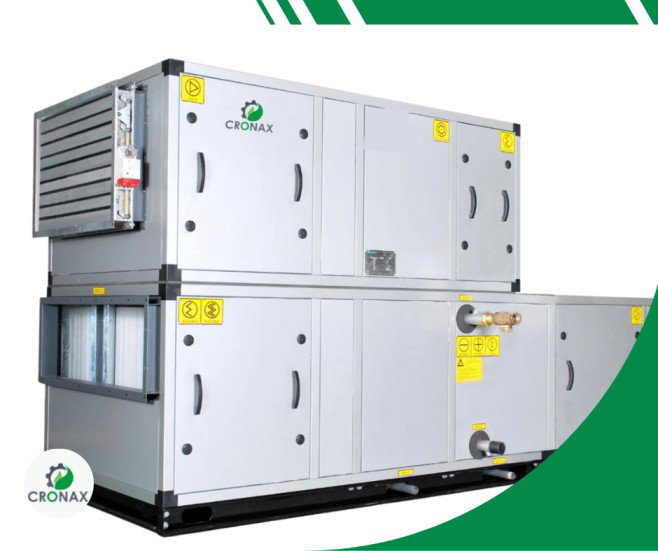
Good indoor air isn't something that happens by chance — it's managed. Whether it's a hospital, a mall, or a factory floor, the air you breathe indoors is usually being filtered, cooled, heated, and circulated by one key piece of equipment: the Air Handling Unit, or AHU.
Since buildings and industries have very different needs, AHUs aren't a one-size-fits-all product. They come in several types, each built for a specific kind of job. Let's go through them.
What Is an Air Handling Unit?
An Air Handling Unit is HVAC equipment that conditions and moves air throughout a building. It usually includes parts like filters, fans, heating or cooling coils, dampers, and control panels working together.
Its core job is simple: filter out dust and contaminants, manage temperature and humidity, and keep air moving evenly through a space. Depending on the building, an AHU can be adjusted for airflow capacity, filtration strength, insulation, and other requirements.
Common Types of Air Handling Units
1. Packaged Air Handling Unit
A packaged AHU is fully built and tested at the factory, with everything — fans, coils, filters, dampers, controls — housed in a single unit. This makes on-site installation faster and reduces the amount of labor needed.
Best for: Office buildings, malls, hotels, and educational institutions where quick setup matters.
2. Modular Air Handling Unit
Instead of arriving as one large piece, a modular AHU is built in separate sections and assembled on-site. This makes it much easier to transport, especially for large-capacity systems, and allows for future expansion without disrupting the whole setup.
Best for: Airports, metro stations, large commercial complexes, and industrial facilities.
3. Single Skin Air Handling Unit
This type uses a single-layer casing, usually galvanized steel, with a simple construction. It's a budget-friendly option, though it doesn't offer the same insulation or noise control as more advanced designs.
Best for: Small commercial spaces, schools, and light industrial areas where insulation isn't a major concern.
4. Double Skin Air Handling Unit
A double skin AHU has two panels with insulation sandwiched between them. This design cuts down on heat loss, reduces noise, and helps prevent condensation — making it a stronger, more energy-efficient option.
Best for: Corporate offices, IT parks, research labs, and premium commercial buildings where comfort and noise control matter.
5. Hygienic Air Handling Unit
Built for environments where cleanliness is critical, hygienic AHUs use corrosion-resistant materials and smooth internal surfaces that are easy to clean and don't encourage bacterial growth. These units are typically fitted with high-efficiency filters to meet strict air quality needs.
Best for: Pharmaceutical units, hospitals, cleanrooms, and food or beverage manufacturing.
6. Fresh Air Handling Unit
This type is focused on bringing filtered outdoor air into a building to maintain oxygen levels and dilute indoor pollutants. Many fresh air AHUs also include energy recovery features to reduce the energy cost of conditioning outside air.
Best for: Hospitals, auditoriums, malls, and residential complexes that need a consistent fresh air supply.
7. Industrial Air Handling Unit
Industrial AHUs are the heavy-duty option, built to handle tough conditions like high heat, dust, fumes, or corrosive air. They're usually built for high airflow capacity and can be tailored to specific process needs.
Best for: Manufacturing plants, chemical industries, power plants, and textile or automotive units.
8. Custom-Built Air Handling Unit
When standard AHUs can't meet a project's specific needs, a custom-built unit fills the gap. These can include special filtration, humidity control, or other features designed around the exact site and process requirements.
Best for: Specialized industrial setups, cleanrooms, data centers, and high-precision manufacturing environments.
9. Heat Recovery Air Handling Unit
This type is designed to improve energy efficiency by capturing heat from exhaust air and using it to condition incoming fresh air. It's a smart choice for buildings looking to lower energy costs while still maintaining good indoor air quality.
Best for: Commercial offices, hospitals, hotels, malls, airports, and data centers focused on energy efficiency.
10. Pool Dehumidifiers
While not a traditional AHU, pool dehumidifiers serve a similar purpose in a specific setting — controlling humidity in indoor swimming pool areas. They help prevent condensation, mold, and corrosion caused by moisture from pool water, protecting both the structure and nearby equipment.
Best for: Indoor swimming pools and similar high-humidity indoor spaces.
Choosing the Right AHU for Your Space
With so many types available, picking the right one depends on factors like:
- Building size and layout
- Available space for installation
- Air quality and hygiene requirements
- Noise sensitivity of the environment
- Budget and long-term energy goals
Getting this decision right early on avoids performance issues and costly changes later.
Why Cronax Industries?
Choosing between these AHU types isn't always straightforward, especially when a building has mixed requirements across different areas. This is where working with a team like Cronax Industries can make things easier — rather than pushing one standard type, the focus stays on understanding the actual space, usage, and air quality needs first.
With its focus on quality and practical, need-based solutions, Cronax Industries works to help businesses find an AHU setup that genuinely fits their building, rather than settling for a generic system. This approach becomes especially valuable in facilities with specific hygiene, noise, or energy efficiency requirements.
Final Thoughts
Different types of Air Handling Units exist because different buildings and industries have different needs. Whether it's a hospital that needs strict hygiene control, a mall that needs efficient fresh air supply, or a factory that needs a heavy-duty industrial unit, choosing the right AHU type directly affects air quality, energy use, and long-term reliability.
If you're planning to install or upgrade an AHU for your facility, it's worth discussing your specific requirements with a team that understands both the equipment and your space — like Cronax Industries.
Not sure which type of Air Handling Unit suits your building? Get in touch to discuss your space and requirements, and find a setup that actually works for you.
