07Jan

Learn how air curtains work to block dust and heat while keeping doors open. Understand uses, benefits, and air curtain price factors in India.
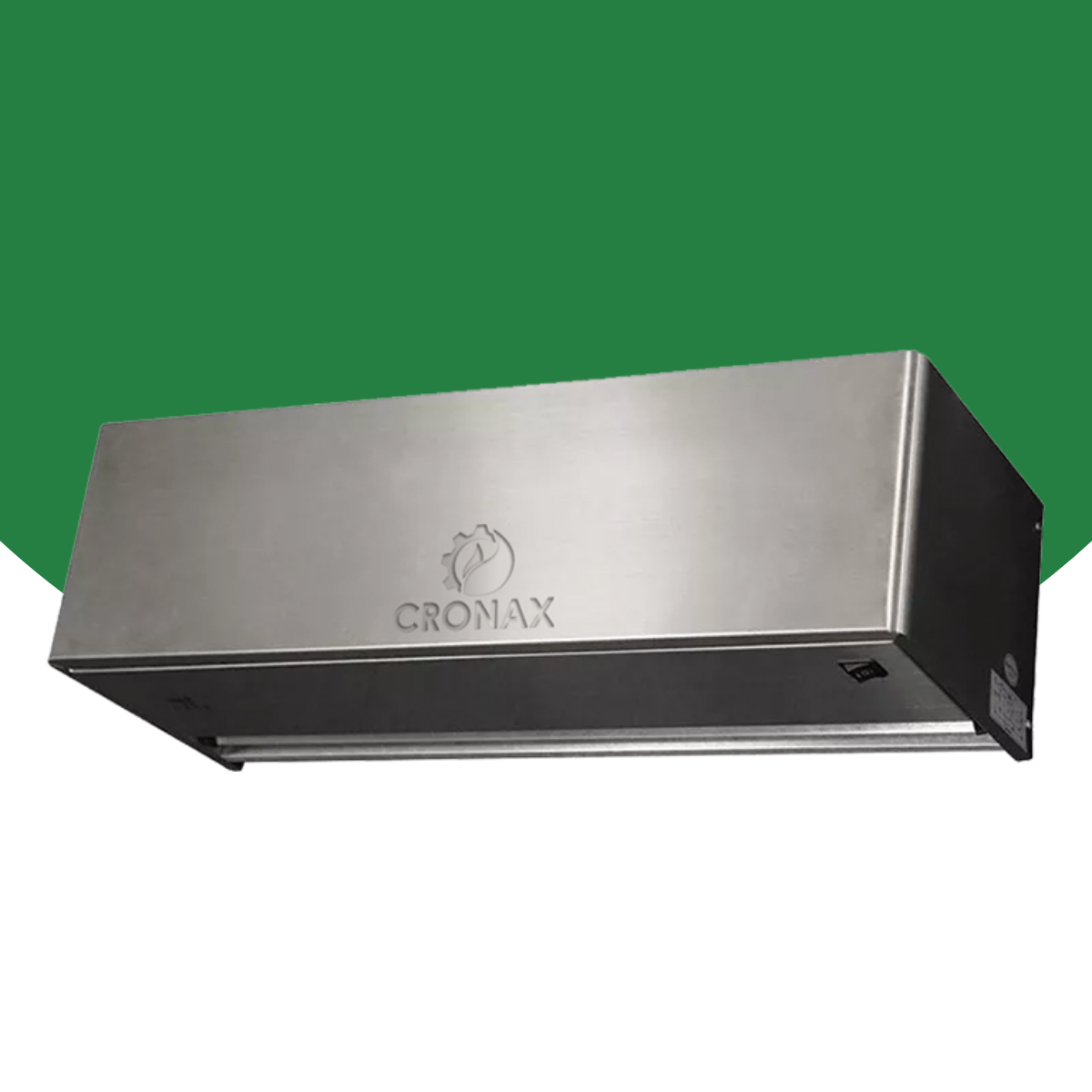

Air curtains are becoming a common sight at the entrances of factories, hospitals, malls, and commercial buildings. Unlike traditional doors, an air curtain does not physically block an entryway. Instead, it creates a powerful stream of air that acts as an invisible barrier. This barrier helps stop dust, heat, insects, and outside air from entering indoor spaces while allowing people to move freely.

In India, air curtains are widely used in industrial and commercial areas where doors remain open for long hours.

What Is an Air Curtain and How Does It Work?

An air curtain is an electrical device installed above a doorway. When switched on, it releases a downward or horizontal flow of air across the opening. This airflow separates the indoor and outdoor environments.

For example, in a factory where materials are frequently moved in and out, keeping doors closed is not practical. Industrial air doors allow continuous movement while reducing dust entry and temperature loss.

How Air Curtains Block Dust in Real Life

Dust control is one of the main reasons air curtains are used. In manufacturing plants, fine dust particles from outside can affect machinery and product quality. An air curtain pushes these particles away from the entrance before they can enter the workspace.

In hospitals or clinics, air curtains help reduce airborne contaminants, especially in high-traffic areas like main entrances and corridors. This improves cleanliness without creating physical barriers.

How Air Curtains Reduce Heat and Energy Loss

In air-conditioned buildings, open doors allow hot air to rush inside, increasing cooling costs. Air curtains help maintain indoor temperature by stopping warm air from entering.

For example, in a retail store or shopping mall, an air curtain keeps cool air inside even when doors remain open. Over time, this leads to lower electricity bills. This energy-saving benefit plays a role in determining air curtain price, as higher-quality units provide better airflow control and efficiency.

Types of Industrial Air Doors

Different industries use different air curtain designs based on door size and application. High-velocity air curtains are used in warehouses and loading bays. Sleek, low-noise models are preferred in offices, showrooms, and healthcare facilities.

Many air curtain brands in India design products specifically for local climate conditions, where dust and heat are major challenges. Some manufacturers, including Cronax Industries, focus on providing air curtain solutions suited for industrial and commercial use without changing the structure of existing doorways.

Why Air Curtains Are a Practical Choice

Air curtains are easy to install, require minimal maintenance, and improve comfort without restricting movement. They are especially useful in places where hygiene, temperature control, and workflow efficiency are important.

Final Thoughts

Air curtains create an invisible but effective barrier against dust and heat. From factories to hospitals and retail spaces, they offer a practical alternative to traditional doors. As awareness grows, air curtains are becoming an essential part of modern building design in India.
11Dec

Cronax Industries offers premium Air Curtains designed to improve hygiene, save energy, and control dust, insects, and pollutants across pharma, food, retail, and commercial spaces.

Air curtains, once seen as optional accessories for commercial spaces, have now become essential for businesses across India. Whether it’s a retail store, restaurant, cold storage, pharma unit, or manufacturing facility, more companies are discovering the powerful benefits of installing air curtains at their entrances. Their rising demand is not a coincidence — it reflects a major shift in how Indian industries view hygiene, energy savings, and operational efficiency.

In this article, we explore why the air curtain market in India is growing rapidly, what is driving this demand, and how businesses benefit from this simple yet highly effective technology.

1. Rising Focus on Energy Efficiency

India’s commercial and industrial infrastructure is expanding quickly, but so are electricity costs. Businesses are searching for ways to reduce power consumption without compromising comfort. Air curtains help significantly by preventing hot or cold air from escaping through open doorways.

How they save energy:

  • They create an invisible barrier of high-velocity air.
  • This blocks outside air from entering.
  • It reduces load on HVAC systems.
  • Result: Lower electricity bills by up to 30%.

With more companies adopting sustainability goals, air curtains are becoming a preferred choice for energy management.

2. Growing Awareness of Hygiene and Contamination Control

After recent years of heightened health awareness, businesses — especially in food processing, healthcare, pharmaceuticals, and hospitality — now treat hygiene as a top priority. Air curtains play a big role in stopping airborne contaminants, dust, smoke, and insects from entering sensitive areas.

Industries where hygiene matters most:

  • Hospitals and labs
  • Pharmaceutical manufacturing
  • Food processing units
  • Cold storage and packaging halls
  • Restaurants and commercial kitchens

Air curtains help maintain clean environments without needing physical doors that disrupt workflow.

3. Increase in Modern Retail and Commercial Buildings

India’s retail and commercial sector is expanding with malls, supermarkets, showrooms, and QSRs opening in every major city. These businesses need:

  • Smooth customer entry
  • Comfortable indoor temperatures
  • Dust- and insect-free spaces

Air curtains are the simplest way to achieve these goals without affecting foot traffic. As retail continues to grow, air curtain installation is becoming a standard practice.

4. Manufacturing Growth and Industrial Expansion

From electronics and automotive to FMCG and textiles, India’s manufacturing sector is booming. More factories mean more controlled work environments, especially in:

  • Paint shops
  • Assembly lines
  • Packaging zones
  • Clean zones

Air curtains help maintain separation between areas while ensuring uninterrupted movement of workers and materials. This boosts productivity and ensures compliance with industrial quality standards.

5. Rising Popularity in Cold Storage & Refrigeration Units

Temperature-sensitive facilities now prefer air curtains because they help maintain internal cooling and reduce energy loss. Every time a door opens, warm outside air rushes in — but air curtains minimize this.

Benefits for cold rooms:

  • Better temperature stability
  • Lower compressor load
  • Reduced frost formation
  • Longer shelf life for stored products

This makes air curtains a cost-saving asset for food suppliers, warehouses, and logistics companies.

6. Government-Driven Hygiene & Safety Regulations

Industries like pharma, food, and healthcare operate under strict guidelines. Regulatory bodies emphasize contamination control, air quality, and hygiene. Air curtains help companies meet these compliance requirements.

Some examples:

  • GMP (Good Manufacturing Practices)
  • HACCP for food safety
  • Cleanroom hygiene standards
  • Hospital infection control guidelines

As regulations tighten, demand for air curtains naturally increases.

7. Rising Pest Control Needs in Urban Areas

India’s densely populated cities often struggle with insects entering commercial spaces. Instead of using harmful chemicals, many businesses now prefer air curtains as a safer and more effective solution. 

They block:

  • Flies
  • Mosquitoes
  • Dust particles
  • Outdoor pollutants

This makes them ideal for bakeries, sweet shops, supermarkets, and restaurants — places that need clean entryways.

8. Increasing Availability of High-Quality, Affordable Indian Manufacturers

Earlier, most air curtains were imported. Today, many reliable Indian manufacturers offer:

  • Better pricing
  • Faster installation
  • Local service support
  • Custom sizes and models

This has made air curtains more accessible, especially for small and medium businesses (SMEs). As awareness increases, domestic demand continues to rise.

9. Innovations in Air Curtain Technology

Modern air curtains now come with:

  • Brushless motors
  • Low noise operation
  • High-efficiency blowers
  • Remote controls
  • Energy-saving modes
  • Customizable airflow speeds

These upgrades make them suitable for both industrial and luxury commercial environments.

10. Strong Growth in E-Commerce Warehouses & Logistics Hubs

The rapid rise of online shopping has increased the number of warehouses and fulfillment centers. These facilities require strict:

  • Temperature control
  • Dust management
  • Efficient loading/unloading

Air curtains help keep environments stable and clean despite frequent door openings.

Conclusion: Air Curtains Have Become a Must-Have for Modern Indian Businesses

From cutting energy costs to improving hygiene and operational efficiency, air curtains deliver multiple long-term benefits. Their rising adoption across India’s commercial, retail, and industrial sectors shows how essential they have become in modern infrastructure.

Businesses today are not just looking for doors — they are looking for intelligent systems that improve comfort, productivity, and compliance. Air curtain India checks all the boxes, making it one of the fastest-growing solutions in India's building and industrial landscape.

Air curtains create an invisible air barrier that blocks dust, insects, and outside air while maintaining indoor temperature. Ideal for hospitals, restaurants, warehouses, and retail spaces. Saves energy, improves hygiene, and ensures smooth door traffic flow.


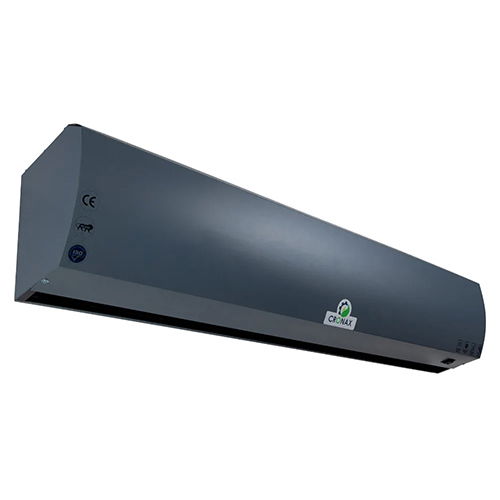
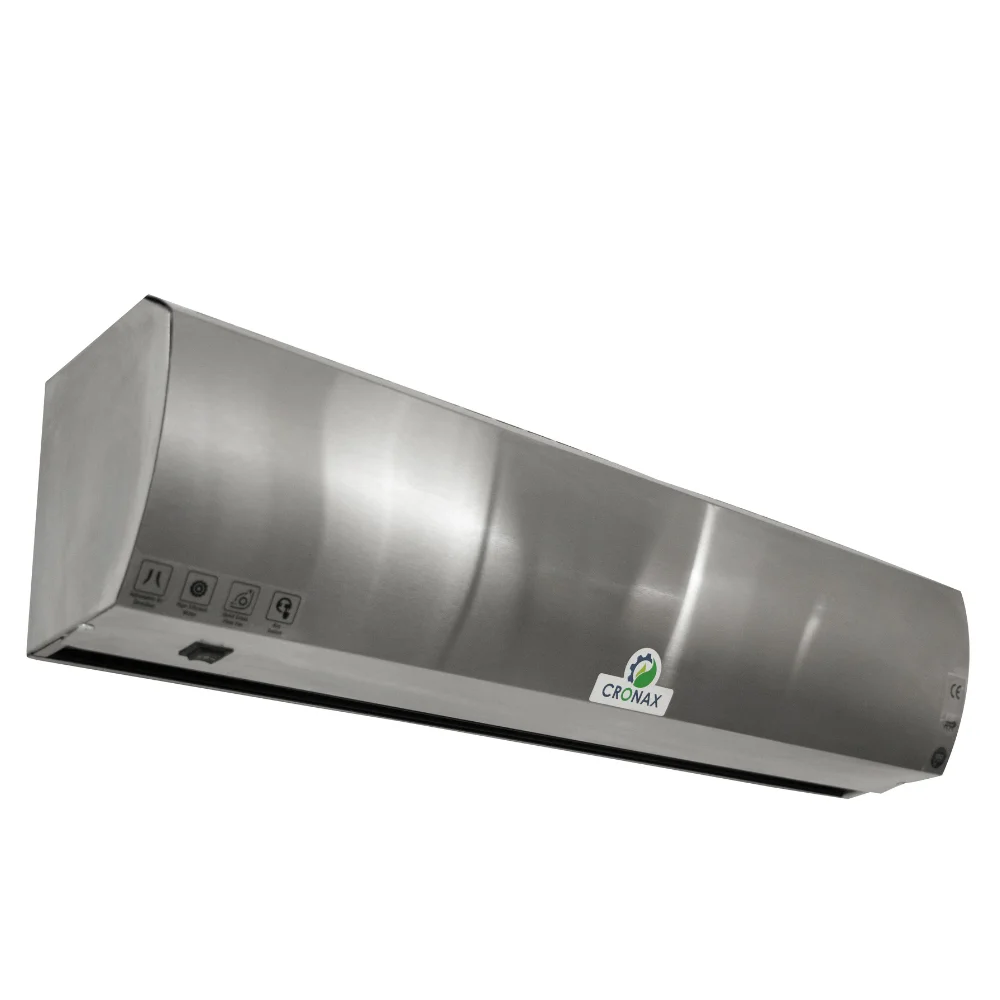
An air curtain is a powerful device installed above a door or entrance to create an invisible wall of air. It may look like a normal blower from outside, but it plays a big role in keeping indoor spaces clean, comfortable, and energy-efficient.

So, how do air curtains actually work?

An air curtain uses a motor and blower system that pushes air at high speed through a narrow outlet. This strong air stream is directed downward, forming a barrier between indoor and outdoor environments. Even when the door is open, this air barrier stops outside dust, hot air, insects, and pollutants from entering the building.

What Happens Inside an Air Curtain?

  1. Air is pulled in through the top or back of the unit.
  2. The motor & blower speed up the airflow.
  3. Air is pushed out in a straight and powerful vertical stream.
  4. The “air wall” separates two different temperature zones.

This is why air curtains are widely used in malls, restaurants, hospitals, warehouses, factories, and office buildings.

Why Are Air Curtains Useful?

  • Saves energy by reducing AC or heater loss
  • Blocks insects, dust, smoke, and outdoor pollution
  • Improves hygiene in food, pharma, and medical areas
  • Allows free entry without opening or closing doors again and again
  • Keeps inside temperature stable and comfortable

Top air curtain manufacturers and suppliers in India, like Cronax Industries, design high-performance air curtains for commercial, industrial, and cleanroom use. They come in different air speeds, sizes, and models — including sensor-based automatic air curtains.

So next time you walk into a shop or hotel and feel strong air blowing above the entrance, you’ll know exactly how it works — that’s the air curtain doing its job!

I BUILT MY SITE FOR FREE USING