Kolkata's pharma, electronics, and food processing industries are growing fast, and so are compliance demands. This blog looks at why a properly engineered Cleanroom Door matters more than most facilities realize, and what to check before you buy one.
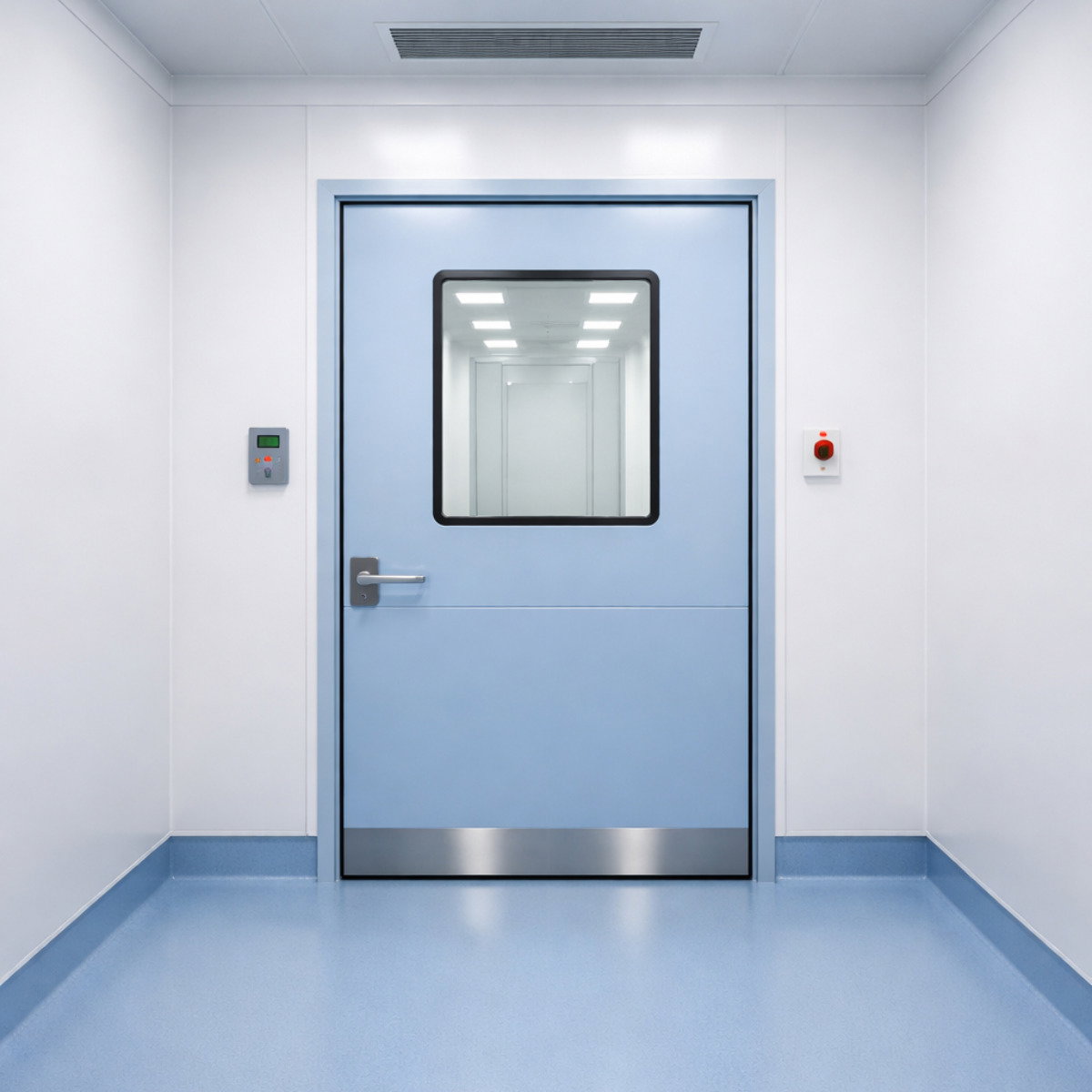
Kolkata's industrial landscape has been changing fast. Pharma units, electronics assembly plants, and food processing facilities have been setting up across the city and its outskirts, and with that growth comes a set of requirements most people outside the industry never think about. One of the most overlooked but genuinely important pieces of this puzzle is the humble Cleanroom Door. It doesn't get much attention, but it plays a bigger role in product quality and compliance than most business owners realize until something goes wrong.
What Makes a Cleanroom Door Different
A regular door just needs to open, close, and lock. A Cleanroom Door has to do a lot more than that. It needs to seal tightly enough to prevent air and particles from leaking through the edges, hold up to constant use without warping, and often support specific pressure differences between rooms that keep contamination from spreading in the wrong direction.
Cronax Industries manufactures Cleanroom Door units built specifically around these requirements, rather than adapting a standard industrial door and hoping it holds up under cleanroom conditions.
Why Kolkata's Industries Need to Pay Attention to This
Kolkata has become an increasingly important base for pharmaceutical manufacturing, along with a growing presence in electronics and precision engineering. These industries all share one thing in common: they depend on strict contamination control to stay compliant and competitive.
A facility exporting medicines or components to regulated markets can't afford weak points in its cleanroom setup. Auditors check seals, airflow, and pressure control closely, and a poorly fitted or aging Cleanroom Door is exactly the kind of detail that shows up in a failed inspection report.
What Goes Wrong With the Wrong Door
Poor sealing lets contamination through. If a Cleanroom Door doesn't seal properly around the edges, dust, humidity, and unfiltered air can slip through even when the door looks closed. Over time, this quietly undermines the entire cleanroom classification the facility is supposed to maintain.
Frequent use wears out weak materials. Cleanroom areas often see constant traffic from workers and equipment. A door built with standard materials tends to warp, stick, or develop gaps faster than one engineered specifically for this kind of daily wear.
Pressure differentials break down. Many cleanrooms rely on controlled air pressure to keep contamination flowing in one direction, not the other. A Cleanroom Door that doesn't seal or close consistently can disrupt this balance without anyone noticing until a contamination issue shows up in testing.
Maintenance becomes a constant headache. Cheaper doors often need frequent repairs, and every repair is downtime the facility can't really afford in a production environment.
What a Good Cleanroom Door Actually Delivers
Reliable sealing, every single time. A properly engineered Cleanroom Door maintains a consistent seal cycle after cycle, which is exactly what auditors and quality teams want to see.
Smooth, durable operation. Built for constant daily use, a good Cleanroom Door keeps opening and closing smoothly for years without sticking or warping.
Support for pressure control. Many units are designed to work with a facility's HVAC and pressure systems, helping maintain the airflow direction that keeps contamination contained where it belongs.
Lower long-term maintenance costs. A well-built door needs far less repair work over its lifespan, which saves money and avoids unplanned production downtime.
Where Kolkata Facilities Typically Need These Doors
- Pharmaceutical manufacturing and packaging areas
- Electronics and precision component assembly zones
- Food processing and packaging units
- Hospital sterile areas and operation theatres
- Laboratory and research facilities
Wherever contamination control genuinely matters, a properly built Cleanroom Door belongs on the checklist, not as an afterthought.
What to Check Before You Buy
A few practical questions worth asking before choosing a supplier:
- Does the door meet the sealing standards your facility's classification requires?
- Can it handle your daily traffic volume without frequent breakdowns?
- Is it compatible with your existing pressure control and HVAC setup?
- Does the supplier understand pharma or electronics compliance requirements, or just general industrial doors?
- What kind of after-installation support is actually available locally?
Why Choose Cronax Industries for Your Cleanroom Door
Not every supplier understands what a genuine cleanroom setup actually needs. Here's why facilities across Kolkata's pharma, electronics, and food processing sectors work with Cronax Industries:
- Purpose-built for cleanrooms. Every Cleanroom Door is designed around sealing, pressure, and durability requirements from the start, not adapted from a generic product.
- Engineered for constant daily use. Built to handle heavy traffic without warping, sticking, or losing its seal over time.
- Compliance-focused design. Units are made with GMP and cleanroom classification standards in mind, helping facilities stay audit-ready.
- Local support and understanding. Familiarity with the specific compliance expectations facilities in and around Kolkata are held to.
- Long-term reliability. Lower maintenance needs mean less downtime and fewer unexpected repair costs over the years.
Final Thoughts
A Cleanroom Door might look like a small line item on a facility's overall project plan, but it's tied directly to contamination control, compliance, and daily operational reliability. As Kolkata's pharma, electronics, and food processing industries continue to grow and face stricter regulatory scrutiny, getting this one detail right matters more than ever.
If your facility is planning a new cleanroom or upgrading an existing one, it's worth having a conversation with Cronax Industries about what a properly engineered Cleanroom Door would actually look like for your specific setup.
